

Beginner vs Pro Spearfishing Mistakes — The Most Common Errors at Every Level and How to Fix Them
Every spearfisher makes mistakes — beginners, intermediates, and even experienced hunters. The difference is which mistakes you're making and whether you recognise them. In this breakdown we walk you through the most common spearfishing errors at every skill level — from the rookie mistakes that cost beginners fish, to the subtler habits that hold intermediate divers back, to the mental and tactical errors that even skilled spearfishers fall into. Fix these, and your success rate in the water will transform.

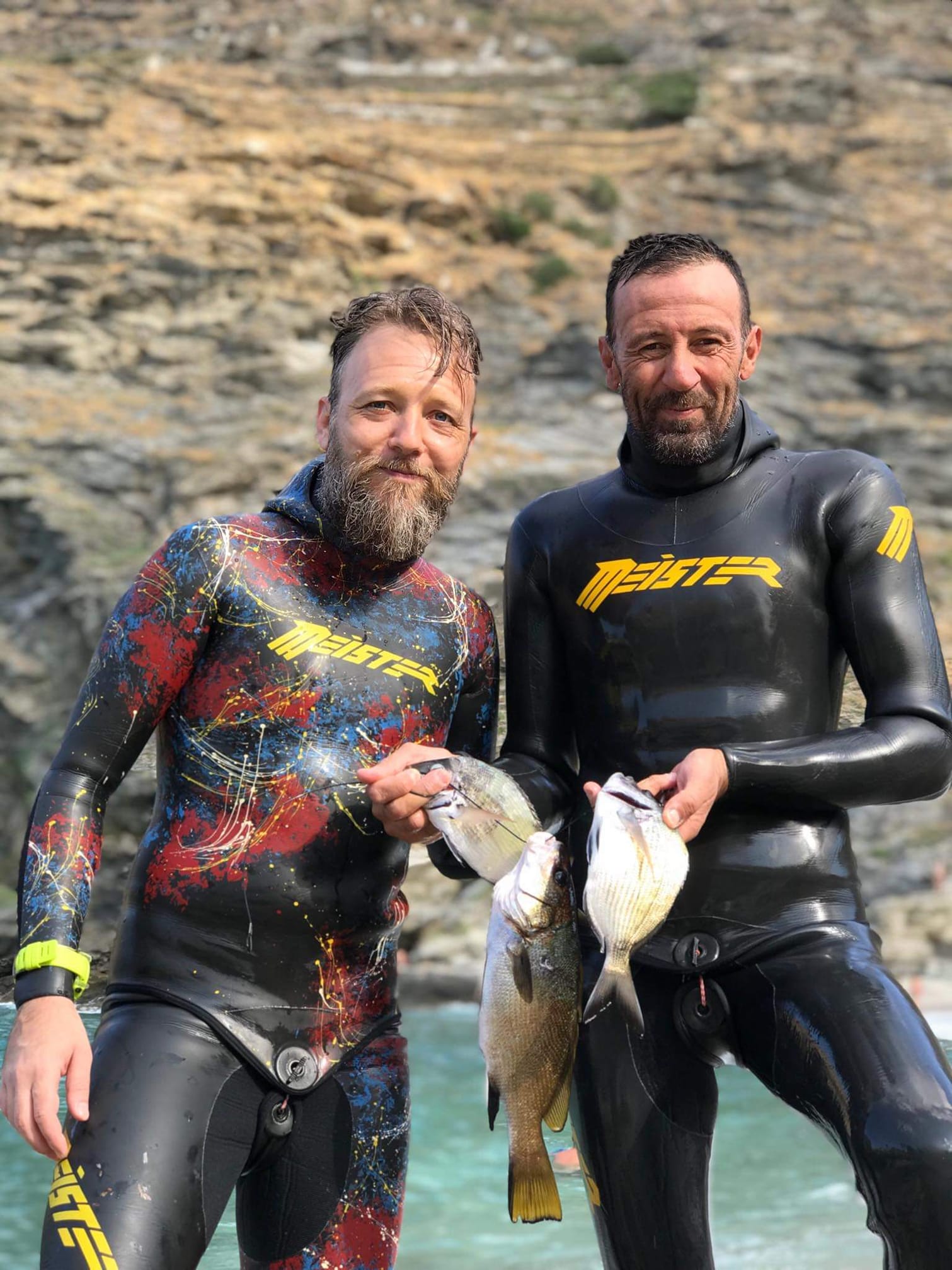


Beginner Spearfishing Mistakes — What New Divers Get Wrong
Most beginner mistakes in spearfishing come down to one root cause: moving too much and thinking too little. New divers are excited, eager, and almost always too active in the water. Fish are extraordinarily sensitive to movement, pressure changes, and noise — and beginners give away their position on almost every dive.
1. Kicking Too Much on the Descent
Aggressive kicking creates noise, vibration, and a pressure wave that fish detect long before they see you. The most effective descent in spearfishing is a slow, controlled glide — using your fins only enough to maintain direction. Once you achieve negative buoyancy, let the ocean pull you down. The less you move, the closer you get.
2. Looking Directly at the Fish
Direct eye contact is a predator signal — and fish know it. Beginners instinctively lock onto a target the moment they spot it, which causes the fish to immediately increase distance or disappear entirely. Approach fish with peripheral vision. Look slightly past them, never directly at them, until you are at shooting range.
3. Poor Equalisation Technique
Beginners who struggle to equalise their ears quickly are forced to slow their descent, disrupt their body position, and often surface without reaching depth. Equalise early and often — before you feel pressure, not after. Start equalising at the surface before you even begin your dive, and continue every metre of the descent. Frenzel technique dramatically improves equalisation efficiency compared to the Valsalva method most beginners use instinctively.
4. Wrong Buoyancy Setup
Being overweighted or underweighted costs you energy on every single dive. The goal is to be neutrally buoyant at 10–15 metres — meaning you neither float up nor sink down at that depth. Above that point you should be slightly positive (the water helps you surface), below it slightly negative (the water helps you descend). Getting this dialled in with a proper weight belt makes the entire sport dramatically easier.
5. Not Understanding Surface Intervals
Beginners often surface, catch their breath for 20–30 seconds, and dive again. This is dangerous. Surface intervals should be at least two to three times longer than your dive time. A 1-minute dive needs a 2–3 minute rest. Skipping proper recovery causes CO₂ to accumulate, which dramatically increases blackout risk on subsequent dives — often with no warning.
|
⚠️ Never Skip Your Surface Interval Shallow water blackout (hypoxic blackout) is the leading cause of drowning among spearfishers. It gives no warning — you feel fine, then you're unconscious. Always respect surface intervals and never dive alone. These two rules save lives. |
Intermediate Spearfishing Mistakes — What Holds Mid-Level Divers Back
Intermediate divers have solved the basics — they can descend quietly, equalize reliably, and land shots on fish. But they've usually replaced one set of mistakes with a more subtle one. The errors at this level are tactical and mental, not purely technical.
1. Chasing Fish Instead of Reading Them
An intermediate diver spots a fish, descends, and follows it around the reef hoping for a shot opportunity. This almost never works. Elite spearfishers read fish behaviour — they observe the direction a fish is moving, identify where it is heading, and position themselves there ahead of time. Let the fish come to you, not the other way around.
2. Shooting From Too Far Away
Overconfidence in gun range leads to missed shots, wounded fish, and lost gear. Get closer than you think you need to be. The ideal shot distance varies by gun type and water visibility, but in almost every situation, an extra metre of patience produces a dramatically better result. A clean, close kill is always preferable to a long shot that results in a wounded and lost fish.
3. Ignoring the Current
Intermediate divers tend to fight the current rather than use it. Current is information — it tells you where baitfish are moving, where predators will be holding, and which side of a structure fish will be on. Always enter the water upcurrent and work your way down. This also means you finish your dive with the current pushing you back to your entry point, conserving energy.
4. Poor Shot Placement
Hitting a fish is only half the job. A poor shot placement that misses the spine means a fish that runs, bends your shaft, and potentially escapes — taking your spear with it. Aim for the lateral line at the base of the pectoral fin to hit the spine and brain, securing an instant, clean kill. If the angle isn't right for a clean shot, wait or reposition rather than take a poor one.
5. Not Varying Dive Angles
Many intermediate divers approach every fish from directly above — a vertical descent that works occasionally but spooks most fish. Fish are adapted to watch for threats from above (birds, larger predators). A horizontal or diagonal approach from the side is far less alarming and allows you to get within range much more consistently.
Pro-Level Spearfishing Mistakes — What Even Experienced Divers Get Wrong
Experienced spearfishers are technically proficient and tactically aware. But even at the highest level, there are persistent errors — most of them mental and ethical, not mechanical.
1. Overhunting the Same Spot
Finding a productive reef or structure is one of the hardest parts of spearfishing. Once found, the temptation to return repeatedly is enormous. But overhunting a spot depletes it — fish become wary, numbers drop, and what was a thriving reef becomes barren. Disciplined spearfishers rotate spots, allowing each location to recover before returning.
2. Becoming Complacent About Safety
Experience breeds confidence — and confidence, unchecked, breeds complacency. The most dangerous spearfishers are not beginners but intermediate-to-advanced divers who stop respecting the rules that kept them safe when they were learning. Blackout does not discriminate by skill level. Even the most experienced divers dive with a buddy, respect surface intervals, and never push beyond what the conditions allow.
3. Neglecting Conservation
Taking undersized fish, exceeding bag limits, or hunting in restricted areas are mistakes that experienced divers should never make — but some still do. Spearfishing is one of the most selective and sustainable forms of fishing when practiced responsibly. Know the regulations in your area, respect size limits, and only take what you will eat. The health of the reef depends on it.
4. Wrong Equipment for the Environment
Even experienced spearfishers sometimes bring the wrong setup for the conditions — a gun that's too long for reef hunting, a wetsuit too thin for the water temperature, or fins that aren't matched to the dive depth and current. Equipment selection should always start with the environment, not habit or preference. Reassess your gear every time conditions change significantly.
5. Not Mentoring Beginners Properly
Experienced spearfishers have a responsibility to the divers they bring into the water. Rushing a beginner through safety protocols, skipping proper buddy briefings, or encouraging unsafe breath-hold distances creates danger. Every experienced diver is also a safety officer for anyone they dive with — especially newcomers.
The Right Gear Makes Every Level Better
Many of the mistakes above are amplified by gear that doesn't fit the diver or the environment. The right wetsuit keeps you warm and neutrally buoyant. The right fins reduce energy expenditure and let you approach fish quietly. The right gun and spear match the visibility and target species. Equipment won't fix poor technique — but poor equipment will consistently undermine good technique.
🤿 Spearguns
Match gun length to visibility and environment. Shorter for reef, longer for blue water. Accuracy matters more than power at most recreational depths.
Shop Spearguns →🩱 Wetsuits
Proper thermal protection keeps you calm and extends your dive time. A cold diver is a tense diver — and tension destroys breath-hold performance.
Shop Wetsuits →🦶 Fins
Long-blade freediving fins reduce kick frequency, conserve oxygen, and let you move through the water with far less disturbance than short recreational fins.
Shop Fins →🥽 Masks
Low-volume freediving masks equalise easier and sit closer to the face — giving you better hydrodynamics and a wider field of vision at depth.
Shop Masks →⚖️ Weight Belts
Dialling in your buoyancy with a properly fitted weight belt is one of the highest-return improvements any spearfisher can make — at any level.
Shop Weight Belts →🔪 Knives & Accessories
A dive knife is essential safety gear — never a luxury. For dispatching fish quickly and cleanly, a sharp, accessible blade is non-negotiable.
Shop Knives →Spearfishing Mistakes — Quick Reference by Level
| Level | Most Common Mistake | The Fix |
|---|---|---|
| Beginner | Too much movement on descent | Slow glide, minimal kicking, let buoyancy work |
| Beginner | Looking directly at the fish | Use peripheral vision, never lock eyes on target |
| Beginner | Short surface intervals | Rest 2–3× your dive time before the next dive |
| Intermediate | Chasing fish around the reef | Read movement, position ahead — let fish come to you |
| Intermediate | Shooting from too far away | Get closer, be patient, take only clean shots |
| Intermediate | Fighting the current | Enter upcurrent, read the flow, use it as information |
| Pro | Overhunting the same spot | Rotate locations, allow reef recovery time |
| Pro | Safety complacency | Always dive with a buddy, always respect intervals |
| Pro | Ignoring conservation rules | Know local regulations, respect size limits, take only what you eat |
Spearfishing FAQ — Common Questions Answered
How do I get started in spearfishing?
Start with a freediving course to build safe breath-hold foundations. Then find an experienced mentor or join a local spearfishing club. Do not attempt to learn spearfishing alone — the buddy system is essential from your very first dive.
What is the most dangerous mistake in spearfishing?
Skipping surface intervals and diving alone. Shallow water blackout (hypoxic blackout) gives zero warning and is fatal without an immediate rescue. It affects all experience levels — and is entirely preventable with proper recovery time and a trained buddy.
How deep do most spearfishers dive?
Most recreational spearfishers hunt between 5 and 20 metres. Many productive reef species are found at 10–15m, which is achievable by most divers after proper training. Deep hunting beyond 20–30m is reserved for experienced, well-trained divers with strong breath-hold skills.
What speargun should a beginner buy?
For reef spearfishing, beginners typically start with a 75–90cm band-powered speargun. It should be easy to load, accurate at short range, and well-matched to the fish species in your local area. Get advice from your local dive shop or a local spearfishing club before purchasing.
Is spearfishing sustainable?
Yes — when practiced responsibly, spearfishing is one of the most sustainable forms of fishing. It is fully selective (you choose exactly which fish you take), produces zero bycatch, and causes no habitat damage. The key is respecting size limits, bag limits, and protected areas.
Do I need a licence to go spearfishing?
Licensing requirements vary by country, state, and province. In many places a standard fishing licence covers spearfishing, but some regions have specific restrictions on species, equipment, or zones. Always check your local regulations before entering the water.
|
Gear Up and Get in the Water Everything a spearfisher needs — spearguns, wetsuits, fins, masks, weight belts, and accessories. Ships worldwide from our EU and US warehouses. |