Fins and monofins are a significant investment — and most of the wear that occurs over time affects the foot pockets, rails, fixing hardware, and blade connections rather than the blade itself. A quality fin blade — fiberglass, carbon, or composite — can last many years with correct care. Repair kits, replacement foot pockets, and fixing hardware let you restore full performance without replacing the entire fin system. This category covers everything needed to service, repair, and rebuild freediving fins and monofins.
Fin Fixing Kits
A fin fixing kit contains the hardware used to secure a blade to a foot pocket — typically including screws, backing plugs, C-clips or rail clips, and cover plates depending on the foot pocket design. Fixing kits are the correct method for attaching blades to foot pockets where a mechanical rather than adhesive connection is preferred — allowing the blade to be removed and replaced in the future without damaging the foot pocket. Most fin manufacturers supply a compatible fixing kit with their foot pockets, and replacement fixing kits are available separately when hardware is lost, corroded, or damaged. Always match the fixing kit to the specific foot pocket brand and model — screw sizes, clip profiles, and plug dimensions vary between manufacturers and are not universally interchangeable.
Replacement Foot Pockets
Foot pockets wear before blades do — rubber hardens and cracks over time, particularly at the heel, toe box, and the tendon rails where the blade meets the pocket. When a foot pocket loses its elasticity or develops a tear at a flex point, comfort and power transmission both suffer. Replacing the foot pocket while retaining a quality blade is significantly more cost-effective than purchasing a complete new fin, and allows the blade stiffness, length, and material to be retained exactly as dialled in. Replacement foot pockets are available in natural rubber and synthetic rubber compounds in a full range of sizes.
Screw-fit foot pockets — The blade slides into the foot pocket rail channel and is secured with screws through pre-drilled fixing points. Allows future blade swaps. Compatible with most fiberglass and composite blades. Not recommended for carbon fiber blades where drilling risks delamination — always check the blade manufacturer’s recommendation before drilling carbon
Glue-fit foot pockets — The blade tongue and tendon rails are bonded directly to the foot pocket using cyanoacrylate adhesive (Loctite 406 or equivalent) — producing a very secure, low-profile connection without visible hardware. The correct method for carbon fiber blades where drilling voids the manufacturer warranty. The blade surface should be lightly sanded and cleaned before bonding to ensure maximum adhesion. This method is considered permanent — blade removal after gluing requires careful separation that risks damage to both components
Blade Adhesives & Bonding
Cyanoacrylate (superglue) — Loctite 406 — The industry-standard adhesive for bonding rubber foot pocket tendons and rails to fin blades. Fast cure, very high bond strength on rubber-to-composite interfaces. Surfaces must be clean, dry, and lightly abraded for best results. Apply in thin, even layers — excess adhesive at the bond line does not improve strength and can cause cosmetic issues on carbon blades [web:364][web:366]
Polyurethane sealant — 3M 5200 / Sikaflex 291 — A flexible, waterproof sealant used to bond the blade tongue into the base of the foot pocket — particularly where a degree of flexibility in the bond is preferred to avoid stress cracking. Sikaflex 291 is recommended for the tongue area as it allows future separation if needed, while cyanoacrylate is used for the tendon rails where maximum hold is required [web:364]
Neoprene contact cement — Used for repairing torn or delaminating foot pocket rubber — particularly inside the pocket lining and heel area. Applied to both surfaces, allowed to become tacky, then pressed together for a flexible, waterproof bond. Also used in monofin foot pocket liner repair and neoprene sock bonding
Monofin Repair
Monofin foot pockets are subject to significant stress during the power phase of the dolphin kick — particularly at the lateral edges of the pocket where force is transmitted through the binding to the blade. Replacement monofin foot pockets are available in cast rubber compounds in multiple sizes to match blade width and foot size. The installation method for monofins follows the same principles as bifins — surface preparation, correct adhesive selection for the blade material, and adequate curing time before the fin is used in the water.
Carbon monofin blades — Always use glue-fit method only. Drilling carbon monofin blades risks delamination and voids manufacturer warranties. Sand lightly with fine grit, clean with isopropyl alcohol, and bond with Loctite 406 on the tendon areas. Allow full cure time — typically 24 hours minimum before water use
Rail clips and C-clips — Small rubber or plastic clips that slide over the side rails of the foot pocket and blade channel, locking them together and preventing the blade from pulling out laterally under load. Clips are wear items — inspect regularly and replace any that show cracking, deformation, or reduced grip. A missing or failed clip is the most common cause of blade separation during diving
Fin Maintenance Tips
Rinse after every session — Rinse foot pockets, blades, and all hardware in fresh water after salt water use. Salt crystallisation in fixing kit screw threads accelerates corrosion and makes future disassembly difficult
Store flat or blade-down — Never store fins with the blade bent or under load — fiberglass and carbon blades develop a permanent set if stored curved over long periods. Store flat on a shelf or hang vertically by the foot pocket
Inspect rails and clips before each session — A brief visual check of the foot pocket tendon rails, C-clips, and screw heads before entering the water takes seconds and prevents equipment failure at depth
UV protection — Carbon and fiberglass blades degrade slowly under prolonged UV exposure — store in a fin bag or away from direct sunlight when not in use. Foot pocket rubber is similarly affected by UV — cracking and stiffening faster when stored in direct sunlight
-

Pelengas Blade Mounting Kit (2 pcs)
Complete mounting kit for attaching Pelengas blades to foot pockets. Includes 2 full sets of components.
$ 33.93 -
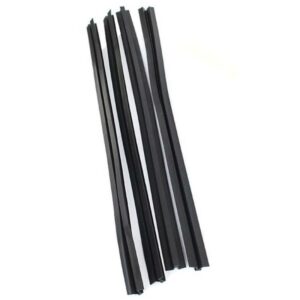
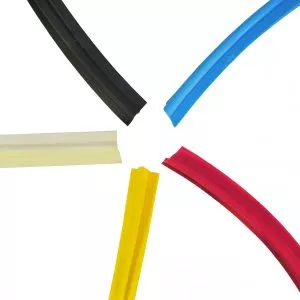
Pelengas Fins Rail
Side rails for Pelengas blades. Improve stability and efficiency during the dive.
$ 10.53Pelengas Fins Rail
$ 10.53 -
-
-
-
-
-
-
-
-
-