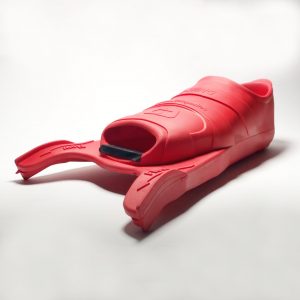
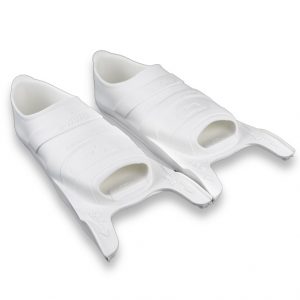
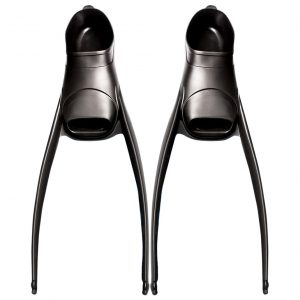
Foot pockets are the foundation of any custom freediving or spearfishing fin setup — the connection point between your body and your blade, and the component that most directly determines comfort, power transfer, and long-term fit. A quality foot pocket that fits correctly and pairs well with your blade transmits every kick efficiently into forward propulsion, while a poor fit creates pressure points, heel lift, and energy loss that no blade upgrade can compensate for.
Why Buy Foot Pockets Separately
Upgrade blades independently — Once your foot pockets are broken in and perfectly moulded to your feet, keep them and upgrade only the blades as your technique and performance demands evolve — the most economical upgrade path for intermediate to advanced divers
Mix and match for performance — Combine the foot pocket brand that fits your foot best with the blade brand that performs best for your diving style — not all manufacturers offer the ideal combination in a single complete fin
Replace without full fin cost — If foot pockets wear out, tear, or are damaged, replace only the foot pocket rather than buying a complete new fin set
Custom blade compatibility — Many boutique and custom blade manufacturers produce blades only — requiring the diver to source a compatible foot pocket separately
Fit — The Most Critical Factor
Foot pocket fit is the single most important consideration — more important than brand, material, or blade compatibility. A foot pocket that is too large allows heel lift on every kick, wasting energy and reducing propulsion efficiency. Too small and it creates pressure points on the toes and ball of the foot that make long dives increasingly painful. The ideal fit holds the foot snugly with no lift, no pressure points, and full contact across the sole — similar to a well-fitted performance athletic shoe. Neoprene sock thickness affects sizing: always size foot pockets accounting for the thickness of socks you will dive with — typically 1.5mm to 3mm for most conditions.
Blade Compatibility — What to Check
Not all foot pockets accept all blades. Most premium freediving brands use a standardised blade rail width — typically around 20 mm — that allows cross-brand pairing, but this is not universal across all manufacturers. Before ordering foot pockets separately from blades, confirm the rail width and mounting channel of both components match. If building a complete new setup, selecting foot pocket and blade from the same brand guarantees a perfect mechanical fit. If you are unsure whether a specific foot pocket and blade combination is compatible, contact us before ordering and we will confirm the pairing.
Soft vs. Hard Foot Pockets
Soft foot pockets — More flexible rubber compound; easier to don and doff, more forgiving on the foot during long sessions. Better suited to divers pairing with softer to medium blades and those prioritising comfort for extended dives
Medium foot pockets — The most popular all-round choice — firm enough for efficient power transfer without the stiffness that fatigues feet over long sessions. Compatible with the widest range of blade stiffness options
Hard / stiff foot pockets — Maximum energy transfer from foot to blade with minimal flex loss in the pocket itself. Preferred by advanced divers pairing with hard or extra hard blades for competitive freediving and demanding open water use
Material and Construction
Rubber (natural or synthetic) — The standard material for quality foot pockets. Durable, UV-resistant, and mouldable over time to the shape of your foot with use. The most widely used construction across all major brands
Technopolymer / composite rubber — Harder-wearing synthetic compounds used in high-performance foot pockets — dimensionally stable under repeated loading and resistant to deformation over time
Silicone blend — Used in some premium foot pockets for enhanced softness and skin-like feel — particularly comfortable for divers sensitive to standard rubber pressure points
-
29/71 DS.1 Footpockets
Revolutionary ergonomic footpockets with left/right fit, advanced 3D design, and tool-free blade assembly.
$ 129.87 -
Abysstar Karken Foot Pockets
The Abysstar Karken Foot Pockets are a pair of high-quality foot pockets made from soft TPR material, designed to provide excellent comfort and durability. These foot pockets are compatible with Kraken fin blades and most other fin blades available on the market, making them a versatile choice for freedivers and snorkelers. Ergonomically designed for a secure and comfortable fit, they ensure optimal energy transfer and reduce fatigue during prolonged underwater activities.
$ 88.92$ 101.79Abysstar Karken Foot Pockets
$ 88.92$ 101.79 -

Pelengas Rubber Footpockets
Durable rubber foot pockets from Pelengas. Comfortable fit for sizes 43–48. Sold as a pair.
$ 84.24Pelengas Rubber Footpockets
$ 84.24 -
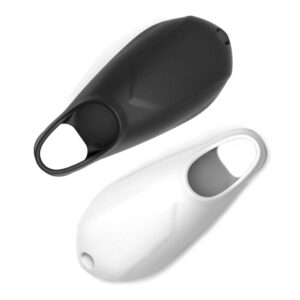
Prussian Blue X1 Foot Pockets
The Prussian Blue X1 Foot Pockets are innovative ultra-light foot pockets engineered to provide divers with an exceptional combination of comfort, fit, and durability. Designed ergonomically to conform to the natural contours of the foot, they offer a snug and comfortable fit ideal for extended wear. Made from durable, flexible thermoplastic elastomer (TPE), the X1 foot pockets balance softness and strength, with a textured sole to prevent slipping inside the fin, enhancing stability and control underwater. Compatible with a range of blades including Prussian Blue, Evolve AIR, Problue, and Pathos models, as well as other fins with standard blade mounts, these foot pockets help reduce foot fatigue and improve swimming efficiency for divers at all levels.
$ 102.96Prussian Blue X1 Foot Pockets
$ 102.96 -

-

-

-