A dive buoy is essential safety equipment for every spearfisher and freediver — it marks your position on the surface for passing vessels, carries your catch and gear, serves as a rest point between dives, and anchors your float line and shooting line system. No diver should enter open water without a visible surface float and the correct flag for their jurisdiction. This category covers dive floats, float lines, bungee lines, dive flags, SMBs, and buoy accessories for freediving, spearfishing, and underwater sports.
Why a Buoy Is Non-Negotiable
Diving without a surface float in open water is one of the most common causes of serious incidents involving boats and divers. A brightly coloured buoy flying the correct dive flag is the internationally recognised signal that a diver is below — instructing vessel operators to stay clear and reduce speed. In many jurisdictions, diving without a surface marker and dive flag in navigable waters is illegal. Beyond legal obligation, a float provides a physical anchor point in current, a resting platform during breathe-up, a place to secure harvested fish, and a means for a safety diver or buddy to track your position at all times.
Types of Dive Float
Torpedo / sausage float — The most common spearfishing float — an elongated inflatable or rigid foam body with a low drag profile when towed through the water. Available in 1 ATM (standard inflation) and 3 ATM (high-pressure, puncture-resistant) versions. The 3 ATM float is the standard choice for bluewater and pelagic spearfishing where a large powerful fish could pull the float under — a standard 1 ATM float can be submerged by a large tuna or amberjack, a 3 ATM float cannot
Round / doughnut float — A round or oval inflatable float — stable in swell and chop, self-righting due to its low centre of gravity. Often used as a reef and rock platform float where gear storage and stability are prioritised over towing speed
Hard foam / polystyrene float — Cannot be punctured — completely maintenance-free and indestructible in normal use. Less compact for transport than inflatables. Suitable for calmer coastal conditions where towing drag is less critical
Freediving training float — A lightweight, minimal float used in pool and open water training — provides a rest point and a line anchor for depth work. Typically smaller and more streamlined than a full spearfishing rig
Dive Flags
Alpha flag (blue and white) — The international maritime signal flag for “diver below” — a blue and white swallowtail design recognised under the International Regulations for Preventing Collisions at Sea (COLREGS). Required in international and many European waters. Vessels are required to give way and reduce speed when the Alpha flag is displayed
Diver down flag (red with white diagonal stripe) — The standard diver flag used in North America and the Caribbean. Not a maritime signal flag under COLREGS but widely recognised and legally required in many US, Canadian, and Caribbean jurisdictions. Vessels are required by local law to maintain a safe distance from a displayed diver down flag
Which flag to use — Carry both where possible — the Alpha flag for international maritime recognition and the diver down flag for local legal compliance. Many spearfishing floats include a flag pole mount as standard — check your local jurisdiction requirements before diving
Float Lines & Bungee Lines
The float line connects the diver to the buoy — running from a clip on the speargun or diver’s belt to the float on the surface. Line configuration varies significantly depending on the diving style and target species. For reef and coastal spearfishing, a standard floating polypropylene or Dyneema line of 10–30 metres is sufficient. For bluewater and pelagic hunting, a bungee float line is the correct choice — the elastic core absorbs the shock load when a large powerful fish runs, preventing the gun being ripped from the diver’s hands and protecting all connection points from sudden peak loads.
Standard float line — Floating polypropylene or braided Dyneema line — does not sink, keeping the line off the bottom and reducing snagging on reef structure. 10–30 metres covers the majority of reef and coastal spearfishing applications. Use floating line only — sinking line creates dangerous entanglement risk on reef terrain
Bungee / elastic float line — An elastic core line that stretches 200–300% under load — absorbing the shock of a running fish and dramatically reducing peak forces on the gun, reel, and diver. Essential for bluewater spearfishing targeting pelagic species. Typically rigged with a 5–10 metre bungee section from the gun end connected to a longer Dyneema main run to the float
Reel line — Used in combination with a speargun reel — allows the diver to control line deployment and retrieval directly from the gun rather than from a fixed float line length. Common in cave, wreck, and deep reef diving where a fixed line length is impractical
Connection hardware — Stainless steel clips, swivels, shackles, and quick links connect the float line to the gun, buoy, and fish stringer. Use only stainless steel rated hardware for salt water use — galvanised fittings corrode rapidly and can fail without warning under load
SMBs — Surface Marker Buoys
A surface marker buoy (SMB) — also called a safety sausage — is a compact inflatable tube carried by the diver and deployed at depth or on the surface to signal position to a boat or safety cover. An SMB is a personal safety device carried in addition to a main dive float — deployed when a diver surfaces away from the main float in current, after a bluewater drift dive, or in any situation where the diver needs to be immediately visible to a vessel or safety team. Every diver diving in open water with boat traffic or in current should carry a compact SMB as standard safety equipment.
Buoy Accessories & Extras
Fish stringers / catches — A metal or rope stringer attached to the float that holds harvested fish away from the diver’s body during the session — reducing shark interest and keeping the catch secure and fresh. Essential for any diver taking fish for the table
Float weights / keels — A small lead weight clipped to the underside of the float keeps it self-righting in swell and prevents the dive flag from inverting in wind. A keel weight of 0.5–1 kg is standard for torpedo-style floats in open water conditions
Buoy bags / carry cases — Mesh or nylon bags for transporting inflated or deflated floats. Particularly useful for travel and for keeping float lines neatly coiled and tangle-free between sessions
Repair patches — Adhesive PVC or TPU repair patches for inflatable float repairs. A small repair kit in the dive bag means a punctured float can be field-repaired and returned to service rather than written off after a single incident
-
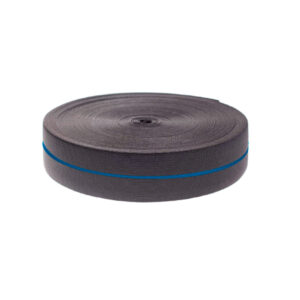
Abysstar 50m Reel of Ribbon
The Abysstar 50m Reel of Ribbon is a durable and lightweight spool designed specifically for underwater use, such as spearfishing, diving, and line marking. Made from high-quality materials, the ribbon offers excellent resistance to abrasion, water absorption, and UV damage, ensuring reliable performance and longevity. The 50-meter length provides ample line for various underwater applications, including marker buoys and safety lines to enhance diver safety and navigation.
$ 150.93Abysstar 50m Reel of Ribbon
$ 150.93 -
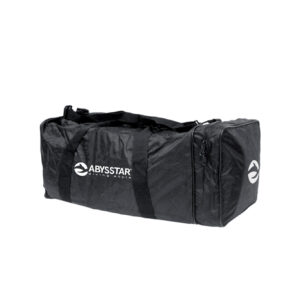
Abysstar Techno-Pro Nylon Gear Bag
The Abysstar Techno-Pro Nylon Gear Bag is a high-quality 80-liter waterproof gear bag made from lightweight, flexible, and tear-resistant 250D Nylon material. It features a double compartment design for organized storage of your equipment. The bag is equipped with a reinforced perforated base, durable YKK zippers, and adjustable shoulder straps and handles to ensure comfortable carrying. Perfect for keeping your dry or wet gear safe and secure while traveling.
$ 46.80 -

Abysstar Standard Dry Gear Bag
The Abysstar Standard Dry Gear Bag is an 80-liter high-quality dry bag designed to keep your gear safe and dry during travel. Made from lightweight, flexible, and tear-resistant 500D PVC material, this bag offers excellent durability and protection. It features a single compartment for easy storage and organization of your equipment. Reinforced shoulder straps and handles provide comfortable and secure carrying options. Ideal for safeguarding wet or dry gear, this bag is essential for diving, spearfishing, and outdoor adventures.
$ 88.92Abysstar Standard Dry Gear Bag
$ 88.92 -
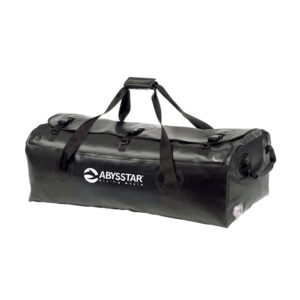
Abysstar Techno-Pro Dry Gear Bag
The Abysstar Techno-Pro Dry Gear Bag is a high-quality, 95-liter dry bag designed to keep your gear safe and secure during travel. Made from lightweight, flexible, and tear-resistant 500D PVC material, this durable bag withstands rough conditions. It features a single compartment design with an external flap, ideal for storing fishing and freediving equipment. Reinforced shoulder straps and handles provide comfortable carrying options, while a large purge valve allows for easy air release to compress the bag and save space.
$ 107.64Abysstar Techno-Pro Dry Gear Bag
$ 107.64 -
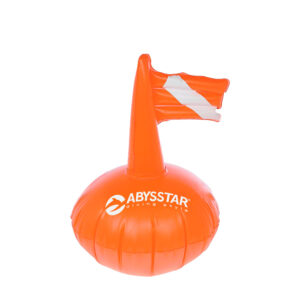
Abysstar Dive Marker Mini Buoy
The Abysstar Dive Marker Mini Buoy is a high-quality spherical dive marker buoy ideal for freediving and spearfishing. Constructed with durable 500D PVC material, this buoy offers excellent abrasion resistance and durability. It measures 32 cm by 40 cm (12.6 x 15.7 inches), making it compact yet highly visible at the surface. The buoy is equipped with a bottom line ring for secure and easy attachment to a dive line.
$ 12.87Abysstar Dive Marker Mini Buoy
$ 12.87 -
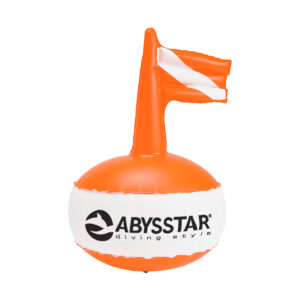
Abysstar Dive Marker Standard Buoy
The Abysstar Dive Marker Standard Buoy is a high-quality spherical marker buoy designed for freediving and spearfishing. Made from highly durable 500D PVC material, it offers excellent abrasion resistance and long-lasting durability in harsh marine environments. This buoy is equipped with a bottom line ring for secure attachment and towing. Its bright color enhances underwater visibility, making it a reliable safety device to signal diver presence at the surface.
$ 16.38 -
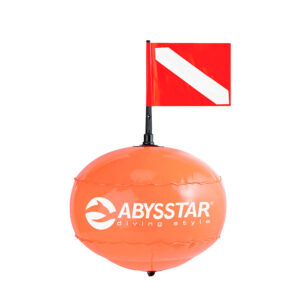
Abysstar Dive Marker Pro Buoy
The Abysstar Dive Marker Pro Buoy is a high-quality spherical marker buoy crafted for freediving and spearfishing. Made from highly durable 500D PVC material, it provides outstanding abrasion resistance and longevity in demanding conditions. This buoy is equipped with a bottom line ring for secure attachment and towing, as well as a removable dive flag for maximum visibility and safety. Its bright color and streamlined design enhance its function as a reliable surface marker for underwater activities.
$ 17.55Abysstar Dive Marker Pro Buoy
$ 17.55 -
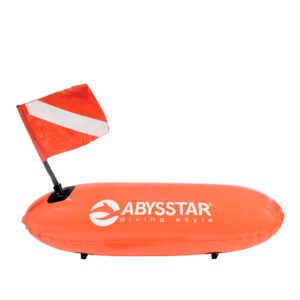
Abysstar Torpedo Buoy
The Abysstar Torpedo Buoy is a high-quality buoy specifically designed for freediving and spearfishing. Constructed from highly durable 500D PVC material, it is built to withstand tough aquatic environments. This streamlined buoy features a bottom line ring for easy attachment and towing, plus a removable dive flag for maximum visibility and safety in the water. Its hydrodynamic shape minimizes friction, making it easy to move through the water.
$ 17.55Abysstar Torpedo Buoy
$ 17.55 -

Abysstar Reinforced Dive Marker Buoy
The Abysstar Reinforced Dive Marker Buoy is a high-quality spherical surface marker designed for freediving and spearfishing. It features an internal PVC air chamber protected by a highly durable 500D Nylon exterior for long-lasting use and abrasion resistance. The buoy is equipped with four strong carabiners for versatile gear attachment, a removable dive flag for enhanced visibility, and a 20-meter line—providing essential safety and functionality for all your underwater activities.
$ 29.25 -
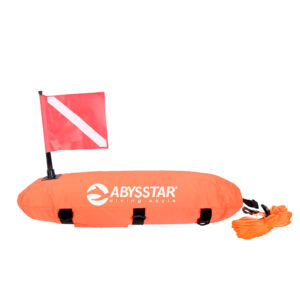
Abysstar Reinforced Torpedo Buoy
The Abysstar Reinforced Torpedo Buoy is a high-quality buoy designed specifically for freediving and spearfishing. It features an internal PVC air chamber covered with durable 500D Nylon material for enhanced strength and longevity. The buoy is equipped with 7 sturdy carabiners for versatile attachment options, a removable dive flag for clear visibility, and a 20-meter line to ensure safety and convenience during underwater activities. Its streamlined, hydrodynamic design reduces drag, making it easy to tow and maneuver in the water.
$ 31.59Abysstar Reinforced Torpedo Buoy
$ 31.59 -
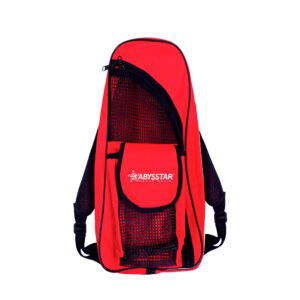
Abysstar Snorkeling Mesh Backpack
The Abysstar Snorkeling Mesh Backpack is a high-quality nylon backpack with a rubber mesh body, designed specifically for carrying snorkeling gear. Its breathable mesh construction enables quick drying and easy water drainage, ensuring your gear stays fresh and lightweight. Equipped with double shoulder straps for comfortable carrying and a front pocket to store accessories, this backpack combines functionality with durability for all your snorkeling adventures.
$ 26.91 -
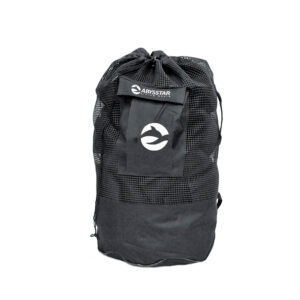
Abysstar Rubber Mesh Backpack
The Abysstar Rubber Mesh Backpack is a high-quality 88-liter nylon backpack featuring a full rubber mesh body. Designed to carry, dry, and rinse wetsuits and other gear efficiently, it offers excellent ventilation to keep equipment fresh. The bag includes double shoulder straps for comfortable carrying, a front pocket with Velcro closure for easy access to smaller items, and a top string closure to secure contents. Ideal for divers and snorkelers looking for durable and practical storage.
$ 44.46Abysstar Rubber Mesh Backpack
$ 44.46 -

Abysstar Snorkeling Mesh Bag
The Abysstar Snorkeling Mesh Bag is a high-quality nylon mesh bag, perfect for carrying snorkeling gear. Its breathable mesh construction allows for quick drying and easy water drainage, making it ideal for transporting wet equipment like fins, masks, and snorkels. Equipped with a convenient cross-body shoulder strap for comfortable hands-free carrying, this bag combines durability and practicality for all your snorkeling adventures.
$ 9.36Abysstar Snorkeling Mesh Bag
$ 9.36 -
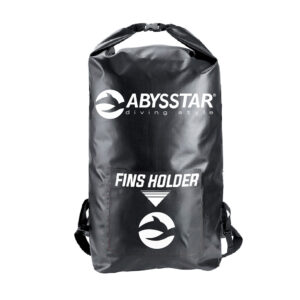
Abysstar 125L Double Dry Bag
The Abysstar 125L Double Dry Bag is a high-quality, extra durable dry bag featuring a double compartment design with a waterproof membrane, allowing you to store both wet and dry gear separately in the same bag. Made from lightweight, flexible, and tear-resistant 500D PVC material, it is equipped with a secure roll-top buckle and Velcro closure for reliable waterproof protection. Designed for comfort and convenience, it includes padded shoulder straps, a chest strap, and a hip belt. An external front pocket is specifically designed to carry fins, making this bag perfect for traveling and keeping your gear safe and organized.
$ 97.11Abysstar 125L Double Dry Bag
$ 97.11 -
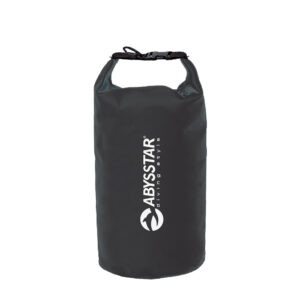
Abysstar 75L Dry Bag
The Abysstar 75L Dry Bag is a high-quality, extra durable dry bag designed to keep your gear dry in wet conditions or to contain wet gear safely during transport. Made from lightweight, flexible, and tear-resistant 500D PVC material, this dry bag features a large single main compartment with a secure roll-top buckle closure. Its robust construction ensures optimal waterproof protection, making it ideal for travel, outdoor adventures, and water sports.
$ 57.33Abysstar 75L Dry Bag
$ 57.33 -
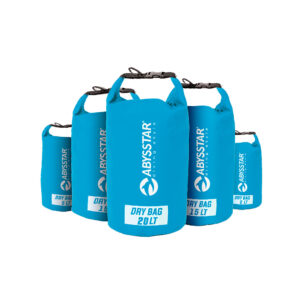
Abysstar Dry Bag 2-20L
The Abysstar Dry Bag 2-20L is an extra durable and high-quality dry bag designed to keep gear dry in wet conditions or contain wet gear to prevent leakage. Constructed with lightweight, flexible, and tear-resistant 500D PVC material, this dry bag features a spacious single large main compartment with a secure roll-top buckle closure for reliable waterproof protection. Ideal for adventure, travel, and water sports, it ensures your essentials remain safe and dry in any environment.
$ 12.87Abysstar Dry Bag 2-20L
$ 12.87 -
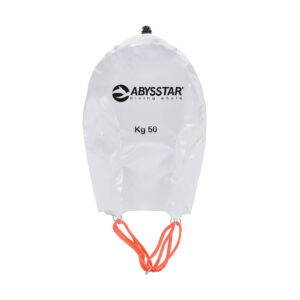
Abysstar Heavy Duty Lifting Bag – 30~2000KG
The Abysstar Heavy Duty Lifting Bag is designed for demanding underwater lifting tasks, offering exceptional strength and durability. Made from highly durable 650D / 900D PVC material, this bag features electro-welded seams for maximum resistance to wear and tear. It is equipped with high-strength stainless steel rings and shackles for secure and safe lifting operations. The bag includes both manual release and safety release valves to ensure precise control and safety during use. Suitable for heavy-duty underwater work, it supports lifting weights ranging approximately from 30kg up to 2000kg.
$ 94.77 -
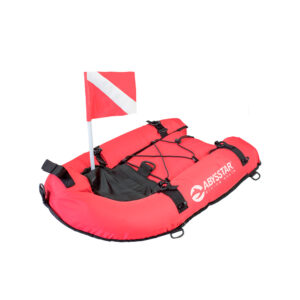
Abysstar Large Freediving Support Board
The Abysstar Large Freediving Support Board is a premium full-size support device built for freedivers seeking maximum durability, buoyancy, and storage. Crafted from tough 500D Nylon, it contains three separate internal PVC air chambers that are inserted via a rear zipper pocket—ensuring optimal floatation and safety. Featuring 12 buckles for extensive gear attachment, two pole holders for stability, adjustable straps, a high-visibility 50 cm dive flag, and an extra-large front pocket for equipment and accessories. Measuring 80 x 60 cm, this robust board is ideal for long open water sessions and group training.
$ 135.72 -
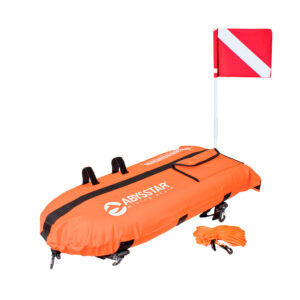
Abysstar Compact Freediving Support Board
The Abysstar Compact Freediving Support Board is a high quality, compact support device built for freedivers and spearfishers. It’s crafted from ultra-durable 500D Nylon material, offering superior resistance to wear and tear. The board features a separate internal PVC air chamber, easily inserted through a secure Velcro rear pocket for optimal buoyancy and stability. Equipped with 5 carabiners and 5 attachment straps, it offers excellent gear management options. A 90 cm dive flag ensures visibility and safety, while the large front pocket, additional document pocket, and bottle holder provide ample storage for essential accessories. Designed for performance and convenience, this board is ideal for both training and open water sessions.
$ 63.18 -
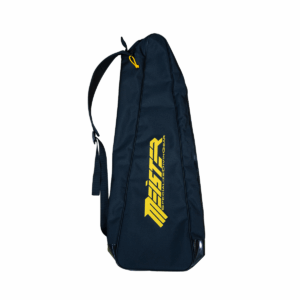
Meister Heavy Duty Fins Bag
The Meister Heavy Duty Fins Bag features reinforced internal padding to protect freediving and spearfishing blades from impacts during transport. It includes an adjustable shoulder strap for comfortable carrying and a durable zipper designed to resist harsh marine environments, ensuring your blades stay safe and secure.
$ 56.16Meister Heavy Duty Fins Bag
$ 56.16 -
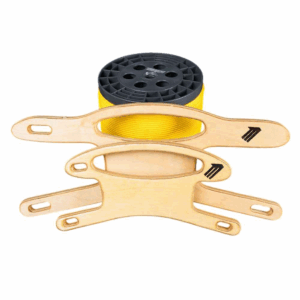
Wooden Line Holder Meister Large
Wooden Line Holder Meister large
$ 40.95Wooden Line Holder Meister Large
$ 40.95 -
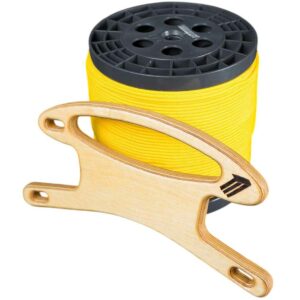
Wooden Line Holder Meister Small
Wooden Line Holder Meister small
$ 31.59Wooden Line Holder Meister Small
$ 31.59 -
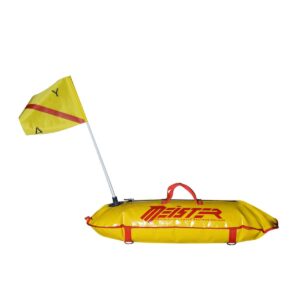
Meister Heavy Duty PVC Diving Buoy
The Meister Heavy Duty PVC Diving Buoy is a reinforced buoy designed with durable PVC material to withstand harsh underwater conditions. It features a tough external PVC casing and a robust internal chamber for superior buoyancy and reliability. Stainless steel suspension and towing rings provide maximum durability and corrosion resistance, ensuring long-lasting performance for spearfishing, freediving, and diving safety.
$ 128.70Meister Heavy Duty PVC Diving Buoy
$ 128.70 -
Deep Dive Xtasy Heavy Duty Long Fins Bag
Durable, padded long fins bag for safe transport of your freediving gear.
$ 53.82$ 59.67Deep Dive Xtasy Heavy Duty Long Fins Bag
$ 53.82$ 59.67 -
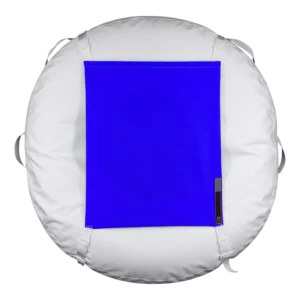
29/71 Blue Freediving Buoy (Series 1)
Durable and spacious freediving buoy made from reinforced materials, ideal for training and teaching.
$ 163.80 -
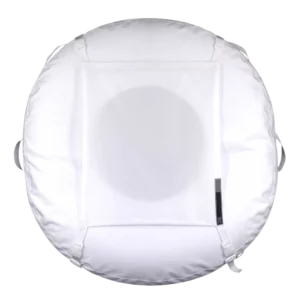
29/71 White Freediving Buoy (Series 1)
Durable and spacious freediving buoy made from reinforced materials, ideal for training and teaching.
$ 163.80 -
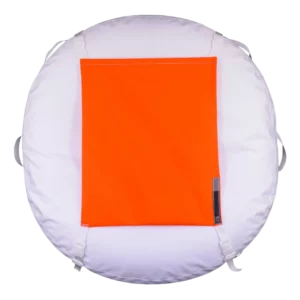
29/71 Orange Freediving Buoy (Series 1)
Durable and spacious freediving buoy made from reinforced materials, ideal for training and teaching.
$ 163.80 -
29/71 Green Freediving Buoy (Series 1)
Durable and spacious freediving buoy made from reinforced materials, ideal for training and teaching.
$ 163.80 -
29/71 Pink Freediving Buoy (Series 1)
Durable and spacious freediving buoy made from reinforced materials, ideal for training and teaching.
$ 163.80 -
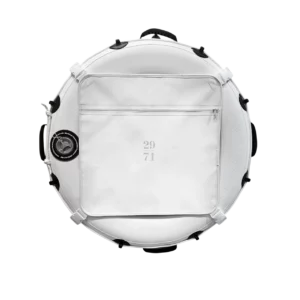
29/71 White Freediving Buoy (Series 2)
Advanced PVC freediving buoy with built-in storage, large capacity, and premium hardware for training, teaching, and competition.
$ 272.61 -
29/71 Static Freediving Line – ø10MM
Ultra-durable static freediving line with excellent grip and near-zero stretch.
$ 87.75 -
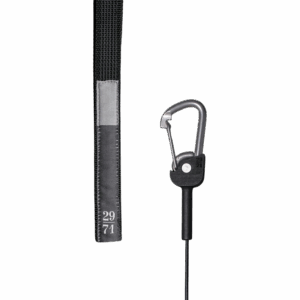
29/71 CNF Lanyard Waist Belt
Durable CNF waist belt with dual D-rings, Velcro tag zone, and seamless integration with the 29/71 lanyard system.
$ 43.2929/71 CNF Lanyard Waist Belt
$ 43.29 -
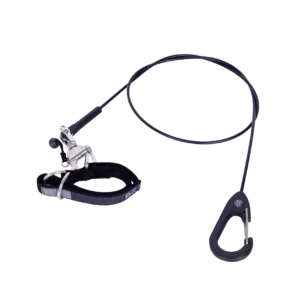
29/71 Carbon Freediving Lanyard
Premium freediving safety lanyard featuring 360° rotation, ultra-light carbon-reinforced build, and a quick-release mechanism — trusted by professionals for depth and pool training.
$ 73.7129/71 Carbon Freediving Lanyard
$ 73.71 -
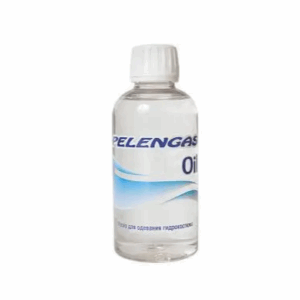
Pelengas Wetsuit Lubricant Oil 250 ml
Comfort-enhancing oil for easy application to wetsuits and protection of your skin.
$ 26.91