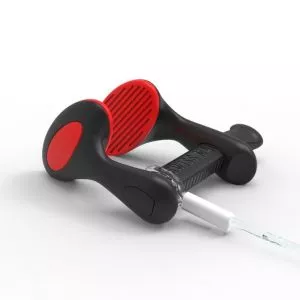
A noseclip is a simple but essential piece of equipment for any diver or swimmer who needs to prevent water entry through the nose without wearing a mask. In finswimming, noseclips are standard competition equipment — worn in all surface and underwater events where a mask is not used. In freediving, noseclips are used for static apnea, dynamic apnea without fins, and training disciplines where the low profile of a noseclip is preferred over a full mask. Choosing the right noseclip affects comfort across a full training session or competition day, and a poor fit means constant readjustment or water entry at the worst possible moment.
Who Uses Noseclips
Finswimmers — Noseclips are standard equipment in all CMAS finswimming competition events. Worn in surface (SF) and underwater (UW) events where the hydrodynamic profile of a noseclip is significantly lower than any mask — critical at competition swimming speeds where drag reduction determines race outcomes
Freedivers — Static & Dynamic Apnea — In pool freediving disciplines (STA, DYN, DNF), a noseclip is frequently preferred over a mask — lighter, lower drag, and eliminates the need to equalise mask air space. Widely used in AIDA and CMAS pool competition
Synchronised Swimming / Artistic Swimming — Noseclips are mandatory equipment in artistic swimming — preventing water entry during inverted positions and underwater sequences
Open Water Swimmers — Used by open water and triathlon swimmers who prefer nose protection without the bulk or drag of a mask
Underwater Hockey & Rugby Players — Some players prefer a noseclip over a mask for close-contact play — lower profile reduces the risk of the noseclip being knocked or dislodged compared to a full mask frame
Types of Noseclip
Spring-loaded stainless steel — A stainless steel wire spring frame with silicone or rubber nose pads. The most common design for serious competition use — durable, reliable, and maintains consistent clamping pressure across a full session. Stainless steel resists corrosion in salt and chlorinated pool water
Soft silicone noseclip — A flexible silicone frame that squeezes the nostrils closed. Extremely gentle on the skin — popular for long training sessions and divers with sensitivity to metal spring pressure. Slightly less secure than spring-loaded designs at high speeds
Competition noseclip — Low-profile, streamlined design minimising frontal drag — used specifically for competition finswimming and pool freediving. Secure fit under speed with no risk of displacement during turns or underwater phases
Adjustable noseclip — Adjustable bridge width to fit different nose widths and shapes — useful for athletes who find standard noseclips too wide or too narrow for a secure seal
Fit and Comfort
Noseclip fit is entirely individual — nose width, bridge height, and skin sensitivity all affect which model seals correctly without causing pressure pain over a long session. A noseclip that is too loose will admit water; too tight and it creates pain across the nose bridge that becomes distracting and fatiguing within minutes. The ideal noseclip applies just enough pressure to seal completely without discomfort across a full competition or training session. Most quality noseclips feature silicone or soft rubber nose pads that distribute pressure evenly — always prioritise padded contact points over bare metal or hard plastic for extended wear.
Care and Maintenance
Rinse noseclips thoroughly in fresh water after every pool and open water session — chlorine and salt water degrade both silicone pads and metal springs over time. Inspect the spring frame regularly for fatigue cracks, particularly at the bend points where metal stress concentrates. Replace silicone nose pads when they show flattening or surface cracking — worn pads reduce sealing performance and increase pressure discomfort. Keep a spare noseclip in your kit bag for competition days — a failed noseclip immediately before a race start is easily avoided with a backup.
-
Lobster Bronze Ergonomic Nose Clip
High-quality bronze ergonomic freediving nose clip with wool pads for comfort and secure fit in any conditions.
$ 92.43 -
Lobster Silver Ergonomic Nose Clip
Premium 925 silver-plated ergonomic freediving nose clip with wool pads for comfort and secure fit in any conditions.
$ 92.43 -
29/71 Carbon Nose Clip
Ergonomic, lightweight carbon nose clip from 29/71, designed for deep equalization and superior comfort.
$ 40.94 -
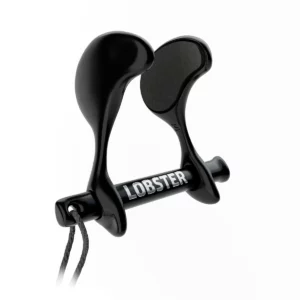
Lobster Black Ergonomic Nose Clip
High-quality black ergonomic freediving nose clip with wool pads for comfort and secure fit in any conditions.
$ 104.13Lobster Black Ergonomic Nose Clip
$ 104.13 -
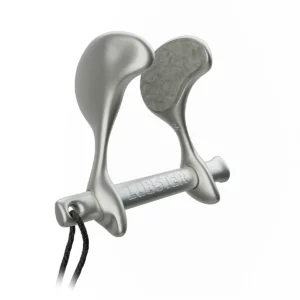
Lobster Grey Ergonomic Nose Clip
High-quality grey ergonomic freediving nose clip with wool pads for comfort and secure fit in any conditions.
$ 104.13Lobster Grey Ergonomic Nose Clip
$ 104.13 -

Lobster Blue Ergonomic Nose Clip
High-quality blue ergonomic freediving nose clip with wool pads for comfort and secure fit in any conditions.
$ 104.13Lobster Blue Ergonomic Nose Clip
$ 104.13 -
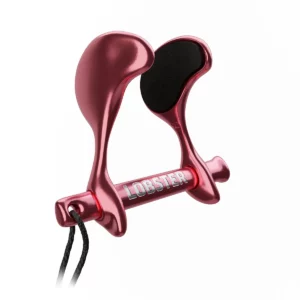
Lobster Pink Ergonomic Nose Clip
High-quality pink ergonomic freediving nose clip with wool pads for comfort and secure fit in any conditions.
$ 104.13Lobster Pink Ergonomic Nose Clip
$ 104.13 -
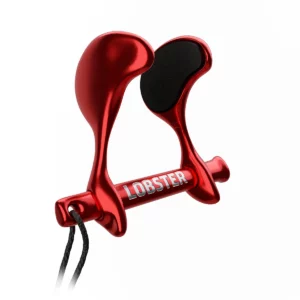
Lobster Red Ergonomic Nose Clip
High-quality red ergonomic freediving nose clip with wool pads for comfort and secure fit in any conditions.
$ 104.13Lobster Red Ergonomic Nose Clip
$ 104.13 -
Lobster 24k Gold Ergonomic Nose Clip
Premium 24k gold-plated ergonomic freediving nose clip with wool pads for comfort and secure fit in any conditions.
$ 232.83Lobster 24k Gold Ergonomic Nose Clip
$ 232.83 -
Lobster Aluminium Ergonomic Nose Clip
Aluminium ergonomic freediving nose clip with wool pads for comfort and secure fit in any conditions.
$ 92.43 -
-