A weight belt is essential equipment for any diver wearing a wetsuit — neoprene is naturally buoyant and without ballast you cannot descend efficiently or maintain neutral buoyancy at depth. Choosing the right weight system for your discipline affects comfort during long sessions, safety in an emergency, and how efficiently you can manage your buoyancy throughout the water column. This category covers weight belts and neck weights for freediving, spearfishing, scuba diving, and underwater sports.
Types of Weight Belt
Rubber Weight Belt (Marseillaise) — The gold standard for freediving and spearfishing. Made from elastic rubber that stretches with the body on inhalation and contracts as you exhale and descend — keeping the belt snug and correctly positioned throughout the dive cycle. Does not shift or slide during duck dives, negative pressure phases, or rapid ascents. The preferred choice of virtually all serious freedivers and spearfishers worldwide
Nylon / Webbing Weight Belt — A flat woven nylon strap with a buckle. Durable, inexpensive, and widely available. Does not stretch with the body — can shift position during the dive cycle, particularly noticeable during duck dives and at depth where wetsuit compression reduces the waist circumference the belt was buckled for. Best suited to scuba diving and recreational use where the stretch advantage of rubber is less critical
Integrated Weight Belt / Harness — Weight distributed across a vest or harness system rather than a single waist belt. Reduces lower back loading for heavy ballast requirements. Used in technical diving, freediving depth disciplines requiring large amounts of weight, and by divers who find waist-only weight distribution uncomfortable
Soft Weight Belt / Shot Belt — Uses soft lead shot pouches instead of solid lead weights — distributes weight more evenly around the waist and moulds to the body shape. More comfortable for long sessions and reduces pressure points from hard lead block weights
Why Rubber Belts Are the Freediving Standard
The rubber (marseillaise) belt’s defining advantage is its elasticity. As you breathe up at the surface, your chest and abdomen expand — a rubber belt stretches with you. On exhalation and descent, your torso contracts and wetsuit neoprene compresses under pressure — the rubber belt contracts with you, maintaining the same snug fit at 20 metres that it had at the surface. A nylon belt buckled at the surface becomes loose at depth as neoprene compresses — allowing the belt to ride up, rotate, or shift position at exactly the moment you need it to stay in place. For freediving and spearfishing, the rubber belt is not a preference but the correct tool for the job.
Neck Weights — The Freediving Trim Solution
Neck weights are a purpose-designed freediving accessory worn around the neck and resting on the upper chest — adding ballast precisely where it counteracts the buoyancy of the wetsuit hood and upper torso neoprene. For many freedivers, particularly those diving in thick two-piece suits with integrated hoods, a small neck weight of 0.5–2 kg dramatically improves body trim — keeping the head and upper body weighted and aligned horizontally throughout the descent and bottom phase, rather than fighting upward buoyancy in the upper body while the waist belt pulls the hips down. A well-trimmed diver in a correct horizontal position expends significantly less energy on every dive.
Lobster Neck Weights — Lobster is the leading specialist brand in freediving neck weights, producing purpose-designed weighted neoprene collars in multiple weight increments. Lobster neck weights are shaped to sit comfortably on the trapezius and upper chest without restricting neck movement or breathing — and are used by recreational and competitive freedivers worldwide as a standard trim correction tool
When to use a neck weight — If you notice your legs sinking faster than your head on descent, or your body rotating feet-down during the freefall phase, a small neck weight corrects this trim imbalance. Start with 0.5–1 kg and adjust incrementally until the body holds a horizontal position passively at depth
Neck weight vs. waist weight — A neck weight is not a replacement for waist ballast — it is a trim correction tool used in addition to a weight belt. The waist belt provides the primary ballast; the neck weight fine-tunes body position and horizontal alignment throughout the dive
Safety consideration — Neck weights are not quick-release in most designs. Always ensure your total weight system — belt plus neck weight — can be shed quickly enough in an emergency. Discuss weight system configuration with your freediving instructor if you are new to neck weights
Quick Release Buckle — Non-Negotiable Safety
Every weight belt used in freediving, spearfishing, and scuba diving must have a reliable, fast-operating quick release buckle — releasable with a single hand motion in an emergency. The standard marseillaise buckle used on rubber freediving belts releases with a single pull and is deliberately designed to be operable even with cold, gloved hands or under stress. Never use a weight belt with a buckle that requires two hands to release, excessive force, or fine motor control — your life may depend on dropping your weights instantly in an emergency ascent situation.
How Much Weight Do You Need
General rule — Most divers in a 3mm wetsuit require approximately 5–7% of body weight in lead. In a 5mm wetsuit, 7–9%. In a 7mm or two-piece setup, 10–12% or more depending on salt vs fresh water
Salt vs fresh water — Salt water is denser than fresh — you will need slightly less weight in the ocean than in a pool. If you dive in both environments, carry adjustable weight in removable pouches
Target neutral buoyancy — For freediving, the ideal ballast makes you neutrally buoyant at 10–15 metres — positively buoyant above that depth (helping passive ascent) and negatively buoyant below it (assisting descent). Never over-weight for freediving
Always test before diving deep — Adjust your weight in shallow water before committing to depth. Small incremental changes of 0.5–1 kg make a significant difference to buoyancy profile
Weight Systems by Discipline
Freediving — Rubber marseillaise belt with quick release buckle; neck weight for trim correction in thick wetsuits. Stretches with the body during breathing and depth compression
Spearfishing — Rubber marseillaise belt with stainless or coated buckle for corrosion resistance. Enough weight to achieve neutral buoyancy at hunting depth without over-weighting
Underwater Hockey & Rugby — Nylon or rubber belt depending on individual preference and pool rules. Weight requirements are minimal — small amounts of ballast used to trim buoyancy for play at depth
Scuba Diving — Nylon webbing belt or integrated BCD weight pockets. Quick release essential. Weight requirement significantly higher than freediving due to heavier equipment load
-

Abysstar Stainless Steel Lead Stopper
The Abysstar Stainless Steel Lead Stopper is a high-quality diving accessory designed to securely hold lead blocks and weights in place on diving belts and harnesses. Crafted from durable stainless steel, it features serrated threading slots that firmly grip webbing and prevent slippage during underwater activities. This lead stopper ensures a stable and safe diving setup, providing excellent resistance to corrosion and wear in marine environments.
$ 4.56 -

Abysstar Nylon Buckle
The Abysstar Nylon Buckle is a robust and secure buckle designed for diving belts and other sport fishing equipment. Made from durable nylon material, it guarantees reliable fastening during dives and underwater activities. The buckle is lightweight yet strong, ensuring comfort and safety. Compatible with various belt types, it is an essential accessory for divers and spearfishers requiring secure and adjustable fastening solutions.
$ 5.85Abysstar Nylon Buckle
$ 5.85 -
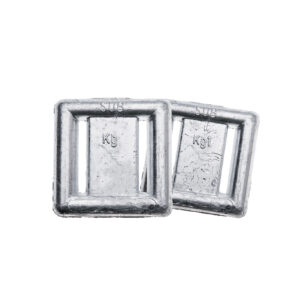
Abysstar Weight for Diving Belt 0.5kg
The Abysstar Weight for Diving Belt 0.5kg is a high-quality lead weight designed to be used with diving belts for optimal buoyancy control during dives. Made with precision, these weights feature rounded edges and slots for easy threading onto standard diving belts. They offer reliable ballast to counteract buoyancy from wetsuits and equipment, enhancing underwater stability.
$ 8.42 -
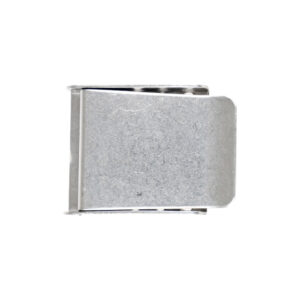
Abysstar Stainless Steel Buckle
The Abysstar Stainless Steel Buckle is a premium-quality buckle engineered for durability and corrosion resistance in harsh underwater environments. Made from high-grade stainless steel, this buckle provides secure fastening and easy adjustment for diving belts and spearfishing gear. Its robust construction ensures lasting performance, making it an essential accessory for technical divers and freedivers seeking reliability and safety in their equipment.
$ 9.59 -

Abysstar Diving Belt with Nylon Buckle
The Abysstar Diving Belt with Nylon Buckle is designed to provide secure and adjustable fastening for freediving and scuba diving weight belts. Made from durable nylon webbing, it ensures reliable performance and comfort during dives. The strong nylon buckle offers quick release functionality and ease of adjustment, catering to divers of various waist sizes. This belt helps divers maintain optimal weight distribution underwater while offering convenience and safety.
$ 11.00 -
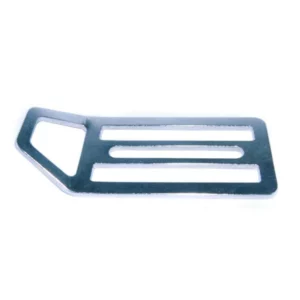
Pelengas D-Ring
Stainless steel D-ring for securely attaching accessories to your weight belt.
$ 13.46Pelengas D-Ring
$ 13.46 -

Abysstar Diving Belt with Stainless Steel Buckle
The Abysstar Diving Belt with Stainless Steel Buckle offers strong and secure fastening for diving weight belts, made to withstand the rigors of underwater environments. The durable webbing belt features a high-quality stainless steel buckle with quick-release lever for easy adjustment and safety. Designed to fit a wide range of waist sizes, it provides reliable buoyancy control by securely holding weight blocks in place, making it ideal for freediving and scuba divers seeking comfort and durability.
$ 13.92 -
Abysstar Weight for Diving Belt 1kg/2kg
The Abysstar Weight for Diving Belt 1kg/2kg is a high-quality lead weight designed to be used with diving belts for optimal buoyancy control during dives. Made with precision, these weights feature rounded edges and slots for easy threading onto standard diving belts. They offer reliable ballast to counteract buoyancy from wetsuits and equipment, enhancing underwater stability. Available in 1kg or 2kg.
$ 15.09 -

Pelengas Buckle with a Rubber Strap for a Belt
Reliable rubber strap with stainless steel buckle for securing weight belts.
$ 16.97 -
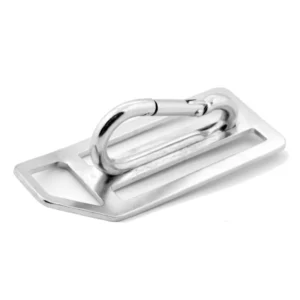
Pelengas D-Ring with Carabiner
Multifunctional stainless steel D-ring with carabiner for spearfishing gear attachment.
$ 18.72Pelengas D-Ring with Carabiner
$ 18.72 -

Lobster Squid Pro Segment
50g modular segment for Squid Pro neck weights.
$ 19.89 -
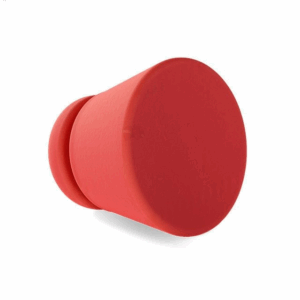
Lobster Squid Sport Segment
80g modular segment for Squid Sport neck weights.
$ 19.89 -

Pelengas Marseille-Type Weight Belt
Durable rubber belt with stainless steel Marseille buckle, ideal for freediving and spearfishing.
$ 21.06 -

Abysstar Rubber Diving Belt with Nylon Buckle
The Abysstar Rubber Diving Belt with Nylon Buckle is crafted from durable, flexible rubber to provide divers with a comfortable and secure weight management solution. Featuring an innovative quick-release buckle system, this belt offers easy fastening and removal, ensuring safety during underwater activities. Its adjustable length fits a variety of waist sizes, making it suitable for both recreational and professional divers. The belt’s design helps reduce slippage and enhances mobility, providing reliable performance in various diving conditions.
$ 25.62 -
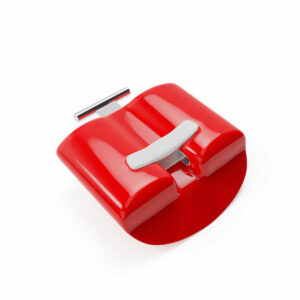
Lobster Modular Weight Segment
Lobster modular weights are designed to help you fine-tune your neck or belt weight system. You can add or remove segments to match your training needs and buoyancy. Simply slide the segments into place – no tools required.
The segments are available in 100g, 200g, 300g, 400g, and 500g sizes.
$ 26.91 -

Lobster Plus Weight Segment
The Lobster Plus Segment adds 1kg to your existing Lobster Neck or Belt Weight system without making it longer. It easily connects to the base or between other segments using Lobster’s patented system.
Ideal if you want to upgrade your Small or Medium set for deeper dives or more control — without changing the gear layout. Compact, efficient, and designed to stay in place.
$ 46.80 -
Abysstar Rubber Diving Belt with Marseille Buckle
The Abysstar Rubber Diving Belt with Marseille Buckle combines the durability and flexibility of a heavy-duty natural rubber strap with the security and quick-release convenience of a Marseille-style stainless steel buckle. The belt’s elastic properties aid divers during breath-up, allowing stretch for comfortable fit and reducing belt slippage caused by underwater compression. The Marseille buckle features a tilting check pin for reliable and speedy release, enhancing diver safety. This belt is an excellent choice for divers seeking performance and comfort in one package.
$ 50.31 -

29/71 Blue Silicone Weight Belt
Elastic and durable silicone freediving weight belt with a carbon Marseille-style buckle.
$ 54.9929/71 Blue Silicone Weight Belt
$ 54.99 -

29/71 Black Silicone Weight Belt
Elastic and durable silicone freediving weight belt with a carbon Marseille-style buckle.
$ 54.9929/71 Black Silicone Weight Belt
$ 54.99 -
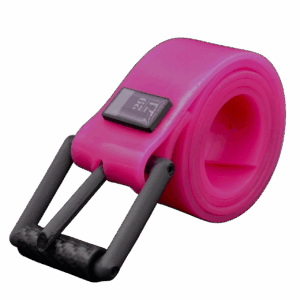
29/71 Pink Silicone Weight Belt
Elastic and durable silicone freediving weight belt with a carbon Marseille-style buckle.
$ 54.9929/71 Pink Silicone Weight Belt
$ 54.99 -
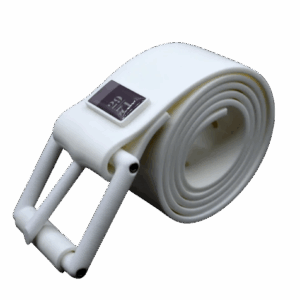
29/71 White Silicone Weight Belt
Elastic and durable silicone freediving weight belt with a carbon Marseille-style buckle.
$ 54.9929/71 White Silicone Weight Belt
$ 54.99 -
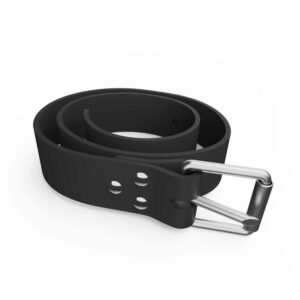
Lobster Weight Belt
The Lobster Weight Belt is a premium weight belt made from durable, elastic rubber featuring a Classic Marseille buckle crafted from food-grade stainless steel. Its design ensures resistance to temperature drops and direct sunlight, providing long-lasting reliability. The bright metallic finish on the buckle aids in locating the belt during emergency ascents. The fixation between the rubber and buckle is reinforced with two rivets, allowing easy home repairs. The belt length is 1.4 meters, offering ample fit for most divers. This ergonomic and robust weight belt is ideal for freediving and underwater activities requiring adaptable and secure weighting solutions.
$ 57.33Lobster Weight Belt
$ 57.33 -
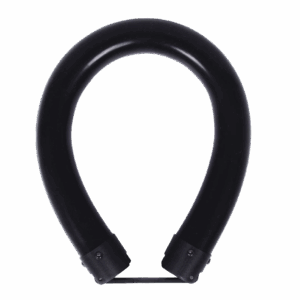
29/71 Black Freediving Neck Weight (Series 1.5)
Comfortable and secure freediving neck weight with innovative latch lock for training and competition.
$ 59.67 -
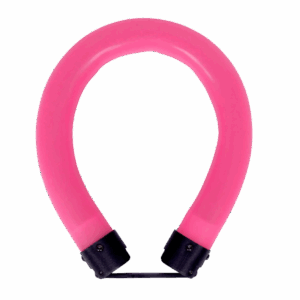
29/71 Pink Freediving Neck Weight (Series 1.5)
Comfortable and secure freediving neck weight with innovative latch lock for training and competition.
$ 59.67 -
29/71 Blue Freediving Neck Weight (Series 1.5)
Comfortable and secure freediving neck weight with innovative latch lock for training and competition.
$ 59.67 -
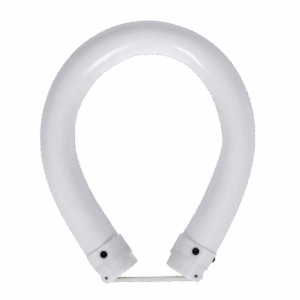
29/71 White Freediving Neck Weight (Series 1.5)
Comfortable and secure freediving neck weight with innovative latch lock for training and competition.
$ 59.67 -

29/71 Black Freediving Neck Weight (Series 2)
Next-generation adjustable neck weight for freediving with modular design and quick-release safety system.
$ 91.26 -
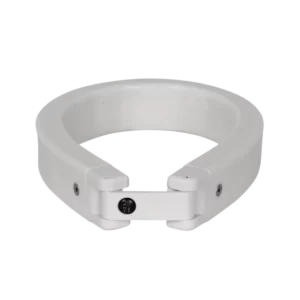
29/71 White Freediving Neck Weight (Series 2)
Next-generation adjustable neck weight for freediving with modular design and quick-release safety system.
$ 91.26 -
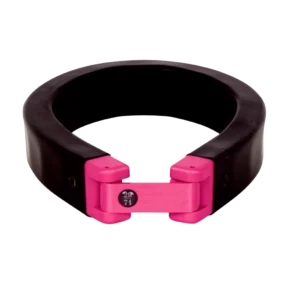
29/71 Pink Freediving Neck Weight (Series 2)
Next-generation adjustable neck weight for freediving with modular design and quick-release safety system.
$ 91.26 -
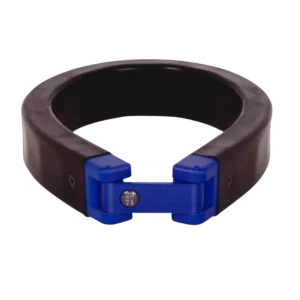
29/71 Blue Freediving Neck Weight (Series 2)
Next-generation adjustable neck weight for freediving with modular design and quick-release safety system.
$ 91.26 -
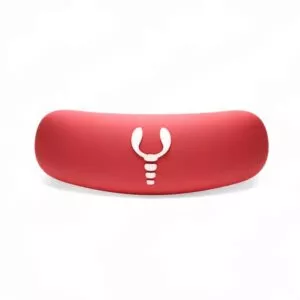
Lobster Squid Plus Segment
800g add-on segment for Squid neck weight systems.
$ 92.43 -
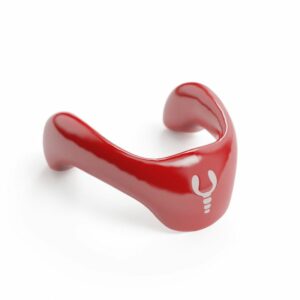
Lobster XS Freediving Neck Weight
Compact and ergonomic neck weight designed for pool freediving. Not compatible with modular weights.
$ 128.70Lobster XS Freediving Neck Weight
$ 128.70 -

Lobster Squid Base Freediving Neck Weight
800g modular base neck weight for depth freediving — use standalone or expand with Squid segments.
$ 140.40 -
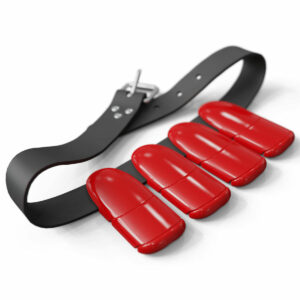
Lobster Belt Weight Set
The Lobster Belt Weight Set offers a customizable and ergonomic weighting system designed specifically for freediving. Available in sizes from Small (1 kg) to Large (4 kg), the set consists of modular weight segments for precise and balanced weight distribution. The medium set, for example, includes two 400g belt bases plus two 500g and two 100g segments, providing a total of 2 kg weight with space to add neck weight segments as needed. The system ensures optimal body positioning and neutral buoyancy, key for dynamic freediving performance, especially in pool settings. Lobster’s innovative design emphasizes comfort, adjustability, and total customization to achieve perfect trim with minimal fatigue during dives. Compatible with Lobster Neck Weights for seamless integration of the full weighting system.
$ 150.93Lobster Belt Weight Set
$ 150.93 -
Lobster Blue Wave Squid Pro Freediving Neck Weight
Modular neck weight designed for deep freediving, with adjustable segments from 800g to 1.3kg.
$ 174.33$ 232.83Lobster Blue Wave Squid Pro Freediving Neck Weight
$ 174.33$ 232.83 -

Lobster Red Base Freediving Neck Weight
Base neck weight for Lobster system. Comfortable, modular, and built for top pool performance.
$ 193.05 -
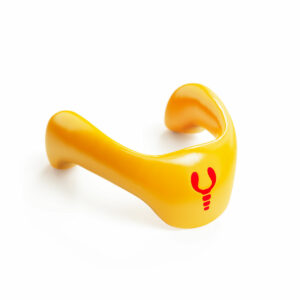
Lobster Yellow Base Freediving Neck Weight
Base neck weight for Lobster system. Comfortable, modular, and built for top pool performance.
$ 193.05 -
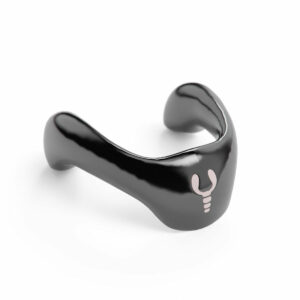
Lobster Black Base Freediving Neck Weight
Base neck weight for Lobster system. Comfortable, modular, and built for top pool performance.
$ 193.05 -
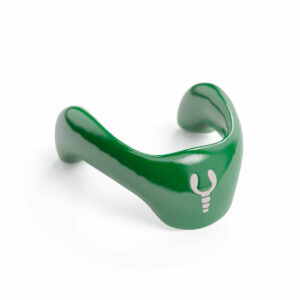
Lobster Green Base Freediving Neck Weight
Base neck weight for Lobster system. Comfortable, modular, and built for top pool performance.
$ 193.05 -
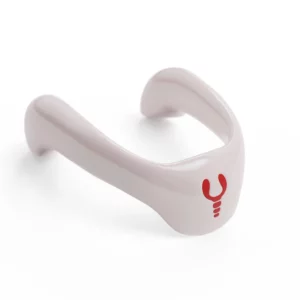
Lobster White Base Freediving Neck Weight
Base neck weight for Lobster system. Comfortable, modular, and built for top pool performance.
$ 193.05 -
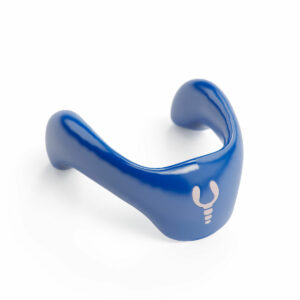
Lobster Dark Blue Base Freediving Neck Weight
Base neck weight for Lobster system. Comfortable, modular, and built for top pool performance.
$ 193.05 -
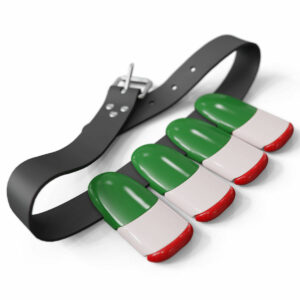
Lobster Country Flag Belt Weight Set
The Lobster Country Flag Belt Weight Set offers a customizable and ergonomic weighting system designed specifically for freediving. Available in sizes from Medium (2 kg) to Large (4 kg), the set consists of modular weight segments for precise and balanced weight distribution. The medium set, for example, includes two 400g belt bases plus two 500g and two 100g segments, providing a total of 2 kg weight with space to add neck weight segments as needed. The system ensures optimal body positioning and neutral buoyancy, key for dynamic freediving performance, especially in pool settings. Lobster’s innovative design emphasizes comfort, adjustability, and total customization to achieve perfect trim with minimal fatigue during dives. Compatible with Lobster Neck Weights for seamless integration of the full weighting system.
$ 209.43Lobster Country Flag Belt Weight Set
$ 209.43 -

Lobster Coral LE Base Freediving Neck Weight
Base neck weight for Lobster system. Comfortable, modular, and built for top pool performance.
$ 217.62 -
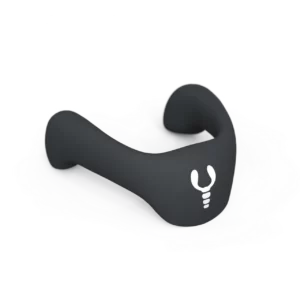
Lobster Black Matt LE Base Freediving Neck Weight
Base neck weight for Lobster system. Comfortable, modular, and built for top pool performance.
$ 217.62 -
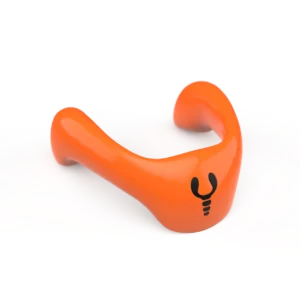
Lobster Halloween LE Base Freediving Neck Weight
Base neck weight for Lobster system. Comfortable, modular, and built for top pool performance.
$ 217.62 -
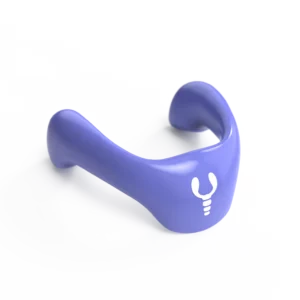
Lobster Very Peri LE Base Freediving Neck Weight
Base neck weight for Lobster system. Comfortable, modular, and built for top pool performance.
$ 217.62 -
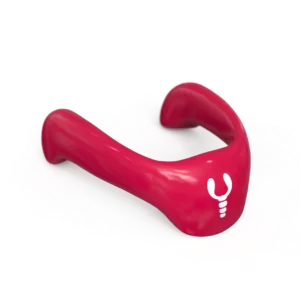
Lobster Viva Magenta LE Base Freediving Neck Weight
Base neck weight for Lobster system. Comfortable, modular, and built for top pool performance.
$ 217.62 -

Lobster Red Matt Squid Pro Freediving Neck Weight
Modular neck weight designed for deep freediving, with adjustable segments from 800g to 1.3kg.
$ 232.83 -
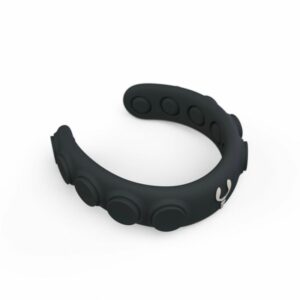
Lobster Black Matt Squid Pro Freediving Neck Weight
Modular neck weight designed for deep freediving, with adjustable segments from 800g to 1.3kg.
$ 232.83 -
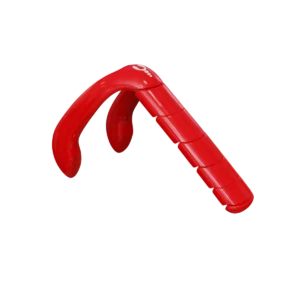
Lobster Red Freediving Neck Weight
Adjustable and comfortable neck weight system for pool freediving training and competitions. Modular design with flexible segments and silicone inserts.
$ 241.02Lobster Red Freediving Neck Weight
$ 241.02 -
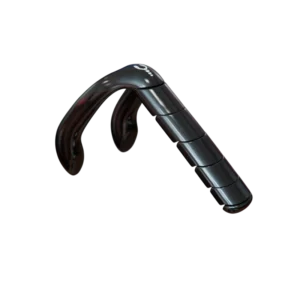
Lobster Black Freediving Neck Weight
Adjustable and comfortable neck weight system for pool freediving training and competitions. Modular design with flexible segments and silicone inserts.
$ 241.02Lobster Black Freediving Neck Weight
$ 241.02 -
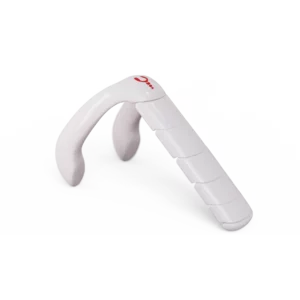
Lobster White Freediving Neck Weight
Adjustable and comfortable neck weight system for pool freediving training and competitions. Modular design with flexible segments and silicone inserts.
$ 241.02Lobster White Freediving Neck Weight
$ 241.02 -
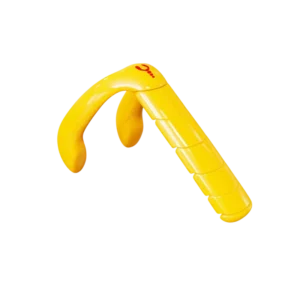
Lobster Yellow Freediving Neck Weight
Adjustable and comfortable neck weight system for pool freediving training and competitions. Modular design with flexible segments and silicone inserts.
$ 241.02 -
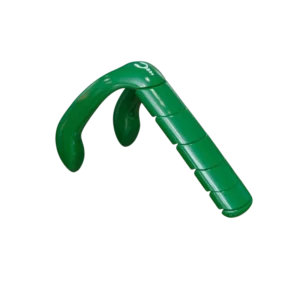
Lobster Green Freediving Neck Weight
Adjustable and comfortable neck weight system for pool freediving training and competitions. Modular design with flexible segments and silicone inserts.
$ 241.02Lobster Green Freediving Neck Weight
$ 241.02 -
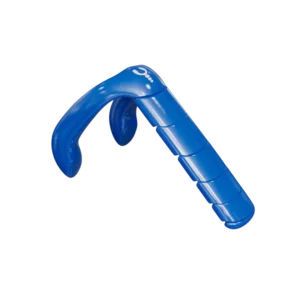
Lobster Dark Blue Freediving Neck Weight
Adjustable and comfortable neck weight system for pool freediving training and competitions. Modular design with flexible segments and silicone inserts.
$ 241.02 -
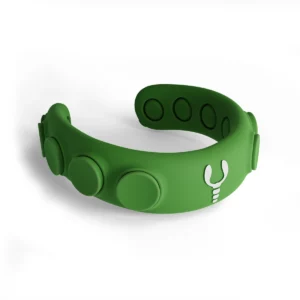
Lobster Neon Green Squid Pro Freediving Neck Weight
Modular neck weight designed for deep freediving, with adjustable segments from 800g to 1.3kg.
$ 256.23 -
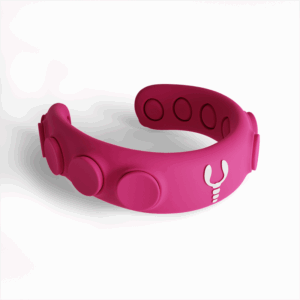
Lobster Neon Pink Squid Pro Freediving Neck Weight
Modular neck weight designed for deep freediving, with adjustable segments from 800g to 1.3kg.
$ 256.23 -
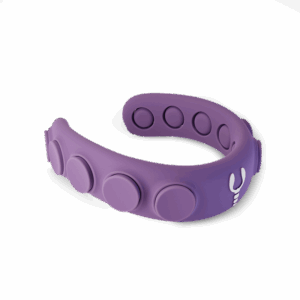
Lobster Very Peri Squid Pro Freediving Neck Weight
Modular neck weight designed for deep freediving, with adjustable segments from 800g to 1.3kg.
$ 256.23 -
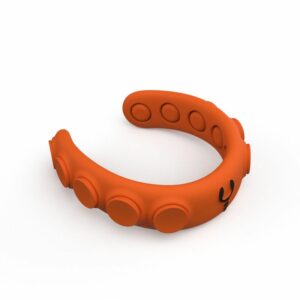
Lobster Halloween Squid Pro Freediving Neck Weight
Modular neck weight designed for deep freediving, with adjustable segments from 800g to 1.3kg.
$ 256.23 -
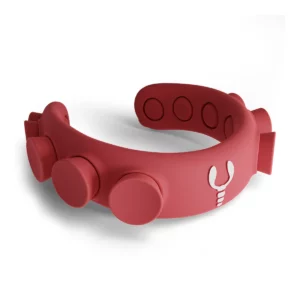
Lobster Squid Sport Freediving Neck Weight Set
Modular depth neck weight adjustable from 800g to 1.6kg – designed for freediving and competition.
$ 256.23 -
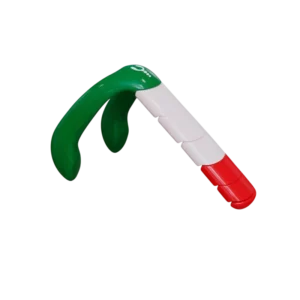
Lobster Country Flag Freediving Neck Weight
Adjustable and comfortable neck weight system for pool freediving training and competitions. Modular design with flexible segments and silicone inserts.
$ 265.59 -
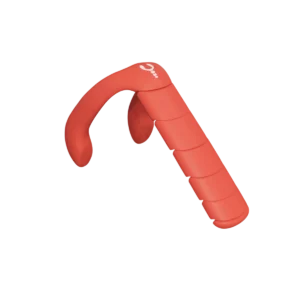
Lobster Coral LE Freediving Neck Weight
Adjustable and comfortable neck weight system for pool freediving training and competitions. Modular design with flexible segments and silicone inserts.
$ 265.59 -

Lobster Viva Magenta LE Freediving Neck Weight
Adjustable and comfortable neck weight system for pool freediving training and competitions. Modular design with flexible segments and silicone inserts.
$ 265.59 -

Lobster Halloween LE Freediving Neck Weight
Adjustable and comfortable neck weight system for pool freediving training and competitions. Modular design with flexible segments and silicone inserts.
$ 265.59 -

Lobster Black Matt LE Freediving Neck Weight
Adjustable and comfortable neck weight system for pool freediving training and competitions. Modular design with flexible segments and silicone inserts.
$ 265.59 -
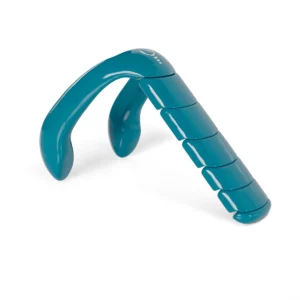
Lobster Ocean Blue LE Freediving Neck Weight
Adjustable and comfortable neck weight system for pool freediving training and competitions. Modular design with flexible segments and silicone inserts.
$ 265.59 -
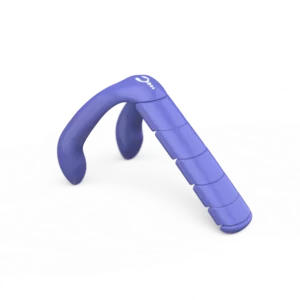
Lobster Very Peri LE Freediving Neck Weight
Adjustable and comfortable neck weight system for pool freediving training and competitions. Modular design with flexible segments and silicone inserts.
$ 265.59 -
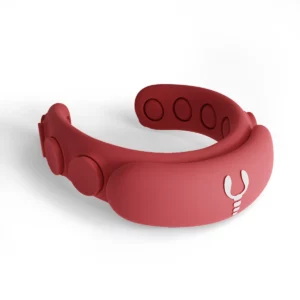
Lobster Squid Pro Plus Freediving Neck Weight Set
Modular freediving neck weight set, adjustable from 800g to 2.1kg for deep dives and competition.
$ 303.03 -

Lobster Squid Sport Plus Freediving Neck Weight Set
Modular freediving neck weight adjustable from 800g to 2.3kg – perfect for depth and competition.
$ 327.60