
A speargun is only as reliable as the accessories and spare parts supporting it. Whether you are rigging a new gun from scratch, replacing worn bands before a dive trip, upgrading to a slip tip for larger species, or setting up a float system for blue water hunting — having the right accessories on hand is as important as the gun itself. This category covers everything you need to rig, maintain, upgrade, and operate your speargun safely and effectively.
What You Will Find in This Category
Spear Shafts — Stainless steel and carbon shafts in standard lengths and diameters; flopper and slip-tip compatible designs for various target species and gun models
Spear Tips & Slip Tips — Single flopper, double flopper, and breakaway slip tips for different species and hunting environments; slip tips recommended for large or hard-bodied fish
Rubber Bands & Tubing — Latex band sets and raw tubing in various diameters and lengths; replacement bands for standard and roller spearguns in single and double configurations
Wishbones & Band Connectors — Dyneema, mono, and stainless wishbones for attaching bands to shafts; crimps, swivels, and connectors for rigging and band replacement
Reels — Belt and gun-mounted reels with 50–100 m of line capacity; designed for big fish, blue water diving, and breakaway rig setups
Float Lines — Coiled and straight float lines in various lengths; connects your float to your speargun to prevent loss of equipment and manage your catch at the surface
Shooting Line — Monofilament, Dyneema, and Amsteel shooting line; connects the shaft to the gun or reel — critical for preventing shaft loss on every shot
Muzzles & Trigger Parts — Replacement muzzles, trigger mechanisms, and internal components for maintaining and repairing spearguns
Flopper Tips vs. Slip Tips — When to Use Each
The spear tip is what retains your fish after the shot — choosing the right type for your target species makes a significant difference to how often fish are lost. Flopper tips are the standard choice — a hinged barb opens on entry and locks against the fish, preventing the shaft from backing out. Single floppers work well for most reef fish; double floppers provide extra retention on fish with thick or tough body walls. Slip tips (also called breakaway tips) are a separate arrowhead attached to the shaft by a short cord — on impact, the tip detaches and rotates perpendicular inside the fish, providing a far more secure hold on large, powerful pelagic species such as yellowfin tuna, wahoo, and kingfish, where a standard flopper would tear through under the fish’s power.
Float System — Why You Need One
A float system — comprising a surface float, float line, and flag — is one of the most important safety items in spearfishing, yet it is often overlooked by beginners. The float marks your dive position to boats and other water users, provides a resting point between dives, holds your catch away from your body, and acts as a brake on large fish runs — preventing you from being towed down by a powerful fish. In many jurisdictions, a dive flag on a surface float is a legal requirement for spearfishing. [web:263][web:268]
Float — Hard-shell or inflatable dive buoy; should be highly visible (orange or yellow) and large enough to support your weight if needed
Float line — Connects float to gun; long enough to allow comfortable diving depth with slack for manoeuvring; coiled lines reduce drag
Dive flag — Alpha flag (internationally recognised) or red/white diver down flag; mounted on float to alert boat traffic to a diver below
Stringer / catch bag — Clip your fish to the float stringer or bag rather than your belt — keeps catch away from your body and reduces shark attraction risk
Band Maintenance — When to Replace
Rubber bands degrade with UV exposure, salt water, and stretching cycles — and a failing band at depth is both a lost shot and a potential safety risk. Inspect bands before every dive for cracking, surface crazing, or deformation at the wishbone connection point. As a general rule, bands used in regular diving should be replaced every 6–12 months regardless of visible condition. Keep a spare set of pre-rigged bands in your kit bag — replacing a band on a boat or beach takes minutes and ensures you never lose a dive day to equipment failure.
-
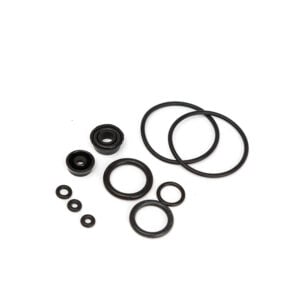
Abysstar 11-piece O-Ring Kit for RAS Speargun
The Abysstar 11-piece O-Ring Kit for RAS Speargun includes a complete set of essential O-rings and seals designed to maintain and restore the optimal performance of your Abysstar RAS pneumatic speargun. Compatible specifically with RAS models, this kit features high-quality rings that ensure excellent sealing and smooth operation of the piston and internal components. Regular replacement of these O-rings helps prevent leaks, maintain pressure, and prolong the lifespan of your speargun.
$ 12.75 -
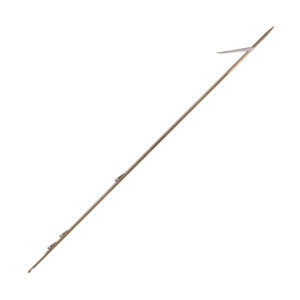
Abysstar 6.5MM Tahitian Stainless Steel 17-4 PH Shaft
The Abysstar 6.5MM Tahitian Stainless Steel Shaft is made from premium 17-4 PH stainless steel, offering exceptional corrosion resistance and mechanical strength for longevity in harsh underwater environments. With a 6.5mm diameter, it optimizes speed and minimizes water drag for improved penetration and accuracy. The shaft features the innovative Tahitian shark fin flopper tip, ensuring superior fish retention by stabilizing the spear in water. Available in multiple lengths, it is ideal for spearfishers seeking a reliable and high-performance shaft for both recreational and professional use.
$ 49.14 -

Abysstar 7MM Galvanized Steel Shaft
The Abysstar 7MM Galvanized Steel Shaft is a sturdy and corrosion-resistant replacement spear shaft designed for spearguns. With a 7mm diameter and galvanized steel construction, this shaft provides excellent durability and rust resistance, making it suitable for extended use in marine environments. The threaded end enables secure attachment to compatible speargun spearheads, offering reliable performance for both amateur and experienced spearfishers.
$ 10.18 -
Abysstar 7MM Stainless Steel Shaft
The Abysstar 7MM Stainless Steel Shaft is a precision-crafted replacement spear shaft made from premium stainless steel for superior strength and corrosion resistance. With a 7mm diameter, it offers enhanced stability, accuracy, and durability for effective spearfishing. The shaft features precision threading for secure and seamless compatibility with various spearheads and speargun models. Ideal for both amateur and experienced spearfishers who prioritize performance and longevity.
$ 21.06 -
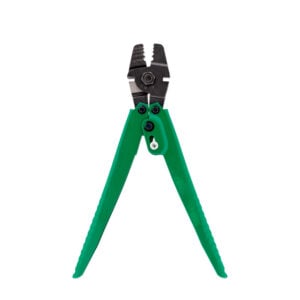
Abysstar Copper Pliers
The Abysstar Copper Pliers are professional-grade multipurpose pliers designed for spearfishing rigging and maintenance tasks. Made from high-quality copper-protected alloy, these pliers offer excellent corrosion resistance and durability in marine environments. Their precise jaws are ideal for crimping sleeves, cutting lines, and handling delicate adjustments, making them an essential tool for spearfishers seeking reliable performance and longevity.
$ 49.14Abysstar Copper Pliers
$ 49.14 -
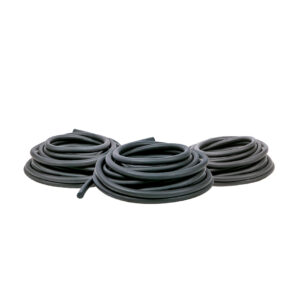
Abysstar Dunlap 5m Elastic in Skeins
The Abysstar Dunlap 5m Elastic in Skeins is premium-grade speargun rubber made from natural latex with a synthetic coating for enhanced durability and elasticity. Sold in 5-meter lengths wrapped in skeins, this elastic is ideal for speargun rigging, allowing users to cut and customize bands to their specific length and strength requirements. Perfect for spearfishers looking for versatile, high-quality rubber for maintenance or performance tuning.
$ 135.72Abysstar Dunlap 5m Elastic in Skeins
$ 135.72 -

Abysstar Dunlap Circular Bands
The Abysstar Dunlap Circular Bands are high-grade, 16mm diameter natural latex speargun bands with a synthetic latex coating for enhanced durability and elasticity. These circular bands deliver powerful and consistent propulsion, making them ideal for spearfishers seeking reliable performance and smooth power delivery. Available in multiple lengths to fit a variety of speargun models and shooting preferences.
$ 23.63Abysstar Dunlap Circular Bands
$ 23.63 -
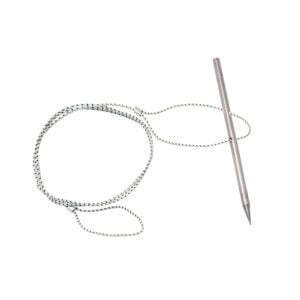
Abysstar Dyneema SK75 Fish Line
The Abysstar Dyneema SK75 Fish Line features advanced HMPE fibers, offering unmatched strength and minimal stretch compared to conventional nylon or steel lines. This fish line is exceptionally lightweight, abrasion-resistant, and maintains superior performance in both saltwater and freshwater environments. The SK75 grade ensures reliable durability and effortless handling, making it ideal for securing rigging and transporting large catches in demanding conditions. Available in several lengths and diameters for customized applications.
$ 10.88Abysstar Dyneema SK75 Fish Line
$ 10.88 -

Abysstar Dyneema SK75 Fish Line with Pin Holder
The Abysstar Dyneema SK75 Fish Line with Pin Holder combines ultra-strong, low-stretch Dyneema SK75 fibers with a convenient pin holder for organized and efficient rigging. Known for exceptional abrasion resistance and high tensile strength, this fish line is lightweight yet remarkably durable, perfect for demanding spearfishing conditions. The included pin holder allows for easy line management, preventing tangles and improving handling during underwater fishing and catch transportation.
$ 14.39 -
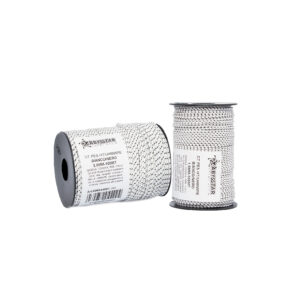
Abysstar Dyneema SK75 Line – 100m
The Abysstar Dyneema SK75 Line is a premium technical line designed for spearguns, measuring 100 meters in length. It features a double braid core woven from 100% Dyneema SK75, renowned for its exceptional strength and durability. The line is covered with 100% high-tenacity polyester, pre-stretched and UV stabilized to resist abrasion, wear, and exposure to sunlight. It offers minimal stretch, excellent knot strength, and smoothly slides with reduced friction, making it easy to handle underwater. Lightweight and highly flexible, this line is ideal for serious spearfishing enthusiasts seeking reliable rigging solutions.
$ 77.22 -

Abysstar Harpoon with Elastic Band 85cm
The Abysstar Harpoon with Elastic Band is a safe and easy-to-use spearfishing tool, perfect for beginners exploring the underwater world. This 85 cm spear features a welded trident tip and a durable elastic band for powered propulsion. Designed for ease of use and reliable performance, it allows novice spearfishers to enjoy their first underwater fishing experiences with confidence.
$ 15.80 -
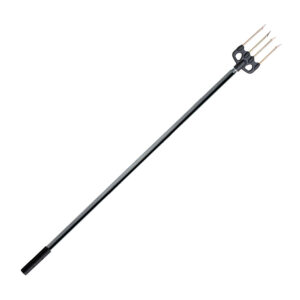
Abysstar Harpoon with Trident (80cm/120cm)
The Abysstar Harpoon with Trident features a durable anodized aluminum pole with a threaded bushing for secure attachment. Equipped with a comfortable rubber grip and a lightweight spear tip cover, this versatile harpoon is designed for ease of use and reliable performance. Available in 80 cm and 120 cm versions, it’s an excellent choice for spearfishers seeking a balanced and effective pole spear for underwater hunting.
$ 15.80 -

Abysstar Horizontal Speargun Reel with 30m Line
The Abysstar Horizontal Speargun Reel comes pre-loaded with 30 meters of durable speargun line, ready for quick and easy mounting. Designed for efficient underwater use, the reel features a smooth line release system and a compact, sturdy build. It helps spearfishers manage line retrieval effectively during their dives, providing reliability and ease of use. The reel is compatible with various speargun models and includes features like an adjustable brake and reinforced assembly to withstand underwater conditions.
$ 40.95 -
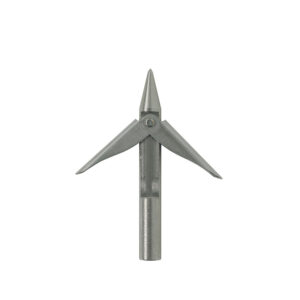
Abysstar Large Stainless Steel Tip
The Abysstar Large Stainless Steel Tip is a robust and corrosion-resistant spear tip designed for enhanced penetration and reliable catch retention. Made from high-quality stainless steel, it offers durability and strength suitable for demanding spearfishing conditions. This large tip is an excellent upgrade for speargun shafts, ensuring improved performance and long-lasting use in harsh underwater environments.
$ 9.95 -
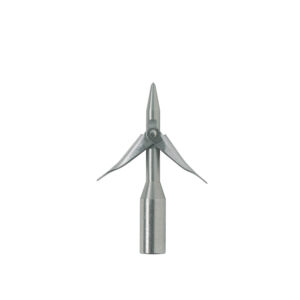
Abysstar Mini Stainless Steel Tip with 2 Petals
The Abysstar Mini Stainless Steel Tip with 2 Petals is a compact and durable double flopper spear tip designed for precise and secure catches in spearfishing. Made from high-quality stainless steel, this mini tip features two flexible petals to ensure superior fish retention while minimizing damage. Its smaller profile makes it ideal for speargun setups requiring a more streamlined and agile tip without sacrificing holding power.
$ 9.13 -

Abysstar Nylon Fish Line
The Abysstar Nylon Fish Line is a high-strength monofilament line designed for maximum durability and abrasion resistance. Ideal for a variety of spearfishing and fishing applications, this nylon line offers excellent tensile strength to handle large catches, while remaining lightweight and easy to handle. It is perfect for rigging, leaders, and connecting hooks or spears, ensuring reliable performance and a secure hold underwater.
$ 8.07Abysstar Nylon Fish Line
$ 8.07 -

Abysstar Nylon Fish Line with Pin Holder
The Abysstar Nylon Fish Line with Pin Holder combines durable, abrasion-resistant nylon monofilament with a practical pin holder attachment for easy organization. This line is designed for secure and quick rigging, making it ideal for spearfishing and general fishing applications. The included pin holder keeps the line accessible and tangle-free, enhancing efficiency during underwater setups or catch handling.
$ 11.58 -

Abysstar Ø 16 mm Circular Elastic Bands
The Abysstar Ø 16 mm Circular Elastic Bands are made from premium natural latex to provide superior elasticity, durability, and consistent power for spearguns. These circular bands are crafted for smooth and progressive propulsion, ensuring reliable performance for underwater hunting. Offered in various lengths to fit different speargun sizes and shooting preferences, they are sold in pairs and perfect for both replacements and upgrades.
$ 16.61 -

Abysstar Pair of Dunlap Rubber Bands
The Abysstar Pair of Dunlap Rubber Bands are high-quality speargun bands crafted from natural latex with a synthetic latex coating for enhanced durability and elasticity. These bands are designed to fit most spearguns, providing powerful propulsion for efficient and accurate shots. Available in various lengths, they deliver consistent strength and reliability, making them a popular choice among spearfishers looking to upgrade or replace their bands for optimized underwater performance.
$ 23.63 -

Abysstar Pair of Ø 14 mm Elastic Bands
The Abysstar Pair of Ø 14 mm Elastic Bands are high-quality speargun rubber bands made from durable natural latex, designed to deliver consistent power and flexibility. These bands are offered in four different lengths—14 cm, 16 cm, 20 cm, and 24 cm—to accommodate a variety of speargun models and user preferences. Their 16 mm diameter ensures strong propulsion and reliable performance for both recreational and advanced spearfishers.
$ 17.43 -
Abysstar Pair of Ø 16 mm Elastic Bands
The Abysstar Pair of Ø 16 mm Elastic Bands are high-quality speargun rubber bands made from durable natural latex, designed to deliver consistent power and flexibility. These bands are offered in four different lengths—14 cm, 16 cm, 20 cm, and 24 cm—to accommodate a variety of speargun models and user preferences. Their 16 mm diameter ensures strong propulsion and reliable performance for both recreational and advanced spearfishers.
$ 22.11 -

Abysstar Piston for RAS Speargun
The Abysstar Piston for RAS Speargun is a premium replacement component engineered specifically for the Abysstar RAS pneumatic speargun. Featuring durable construction with double O-ring and cup seals, this piston delivers smooth, consistent power and optimal sealing performance. Designed for spearguns with a 13mm internal barrel, it ensures reliable firing efficiency and long-lasting use, making it essential for maintaining your RAS speargun at peak performance.
$ 14.27Abysstar Piston for RAS Speargun
$ 14.27 -
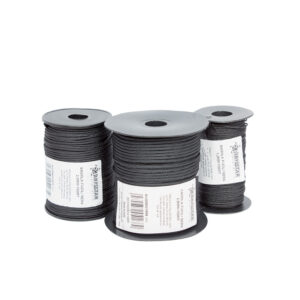
Abysstar Polyester Line – 100m
The Abysstar Polyester Line is a speargun rigging line featuring an internal core made from 100% high-tenacity polyester. It comes in a glossy black color and is supplied in 100-meter spools. This line is highly durable, tough, and weatherproof thanks to its premium construction. For optimal performance and to prevent fraying, heat welding after cutting is recommended. Its strength and durability make it ideal for reliable underwater use in spearfishing rigging.
$ 19.89Abysstar Polyester Line – 100m
$ 19.89 -
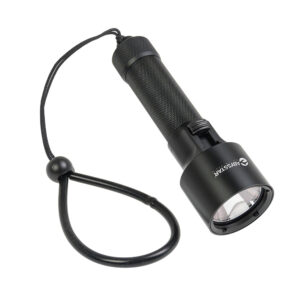
Abysstar Power Beam Mini Dive Torch – 300 LMS
The Abysstar Power Beam Mini Dive Torch offers reliable 300 lumens of illumination for diving and snorkeling adventures. It features a durable anodized aluminum body that provides maximum protection against oxidation. With a double O-ring closure, this torch guarantees a 100% watertight seal for safe underwater operation. The sliding magnetic activation button enables precise adjustment of light intensity. Powered by 2 x AAA batteries (not included), the torch can operate continuously at full brightness for up to 2 hours.
$ 72.54 -
Abysstar Power Beam Pro Dive Torch – 1000 LMS
The Abysstar Power Beam Pro Dive Torch is a premium rechargeable dive light delivering 1000 lumens of brightness. Constructed with an anodized aluminum body, it offers maximum protection against oxidation and corrosion, ideal for saltwater environments. The dive torch features a double O-ring closure, ensuring a 100% watertight seal during underwater use. It is powered by a massive 5000 mAh battery, allowing continuous operation at full light intensity for up to 130 minutes. The torch is equipped with a sliding magnetic activation button, enabling precise adjustment of light intensity. Included with the torch is a USB charging cable and EU power outlet adapter for convenient recharging.
$ 171.99 -
Abysstar Power Beam Standard Dive Torch – 400 LMS
The Abysstar Power Beam Standard Dive Torch delivers reliable underwater illumination with 400 lumens of brightness. Crafted with an anodized aluminum body, it offers maximum protection against oxidation and corrosion, ideal for marine environments. The torch features a double O-ring closure to ensure a 100% watertight seal for safe underwater use. Equipped with a 2200 mAh rechargeable battery, it provides continuous operation at full brightness for up to 4 hours. The sliding magnetic activation button allows precise adjustment of light intensity. The torch is supplied with a USB charging cable and an EU power outlet adapter for convenient recharging.
$ 115.83 -

Abysstar RAS 8MM Threaded Stainless Steel Shaft
The Abysstar RAS 8MM Threaded Stainless Steel Shaft is a precision-engineered replacement shaft designed for use with RAS pneumatic spearguns. Made from durable stainless steel with an 8mm diameter, it provides optimal strength and corrosion resistance for reliable underwater performance. The threaded end allows secure and easy attachment to compatible spearguns, ensuring a tight fit and stable shooting experience. Ideal for spearfishers looking to upgrade or replace their speargun shafts with high-quality components.
$ 9.83 -

Abysstar Simple Wishbone with Nylon Bushings
The Abysstar Simple Wishbone with Nylon Bushings is a durable speargun accessory designed to enhance elastic band attachment and improve the overall rigging performance. Made from stainless steel with nylon bushings, this wishbone reduces friction during band loading and shooting, extending the lifespan of the bands. Its ergonomic design ensures better power transfer and smooth operation, making it a preferred choice for spearfishers focused on reliability and ease of use.
$ 6.08 -
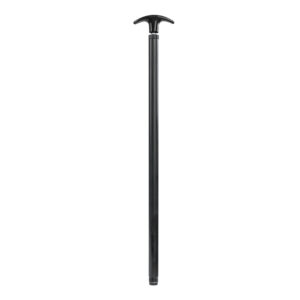
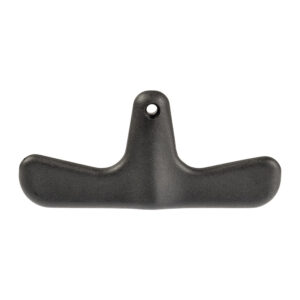
Abysstar Speargun Loader
The Abysstar Speargun Loader is an essential accessory designed to help spearfishers safely and efficiently load their spearguns. Crafted with durable materials and ergonomic design, the loader provides extra leverage and control, reducing the effort required during band stretching and ensuring safer loading. Ideal for spearfishing in warm waters, this loader is compatible with various Abysstar speargun models, making it a practical addition to your spearfishing gear.
$ 25.74Abysstar Speargun Loader
$ 25.74 -
-
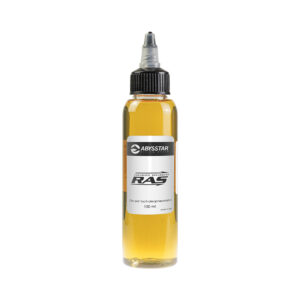
Abysstar Speargun Oil for RAS Pneumatic Spearguns – 100ml
The Abysstar Speargun Oil is specifically formulated for use with RAS Pneumatic Spearguns to prevent rust and corrosion and ensure smooth, reliable trigger mechanism performance. This non-toxic maintenance oil protects pneumatic systems and other speargun components from moisture damage and wear. Regular application prolongs the life of the gun, maintaining optimal function and reducing friction and sticking. Essential for spearfishers who want to keep their RAS Pneumatic spearguns in top condition.
$ 8.19 -

Abysstar Stainless Steel Fish Holder with Pin Holder
The Abysstar Stainless Steel Fish Holder with Pin Holder features a durable stainless steel hook combined with a convenient pin holder, designed for secure fish handling and transport. The ergonomic nylon handle includes a hole for attaching a line and snap hook, offering enhanced control and safety during fishing trips. Its turned tip and barb ensure a firm grip on the catch, making it ideal for handling large fish or delicate cephalopods in burrows, providing dependable performance in all marine conditions.
$ 13.10 -

Abysstar Stainless Steel Fish Line
The Abysstar Stainless Steel Fish Line is designed for maximum resilience and durability in harsh underwater environments. Made from premium stainless steel, this fish line provides outstanding resistance to abrasion and corrosion, ensuring a secure grip on large and powerful catches. Suitable for various rigging and leader applications, the line’s strength makes it ideal for spearfishing and transporting big fish.
$ 9.59 -

Abysstar Stainless Steel Gaff
The Abysstar Stainless Steel Gaff is available in 45 cm and 53 cm sizes, featuring a robust stainless steel hook and an ergonomic nylon handle. The handle is equipped with a hole for attaching a line and snap hook, allowing easy control and secure transport. The gaff includes a turned tip and a barb for reliable grip, making it an exceptionally useful accessory both for cephalopod fishing in burrows and for handling and transporting large prey.
$ 11.12Abysstar Stainless Steel Gaff
$ 11.12 -

Abysstar Stainless Steel Shank
The Abysstar Stainless Steel Shank is a precision-engineered spear shaft crafted from high-quality stainless steel for excellent corrosion resistance and durability. With a 7mm diameter, this shank offers optimal stiffness and flexibility for accurate underwater shooting. It features threaded ends compatible with popular speargun models including Abysstar RAS, Cressi SL, and Mares Sten, ensuring seamless integration and reliable performance for various underwater hunting needs.
$ 5.27 -
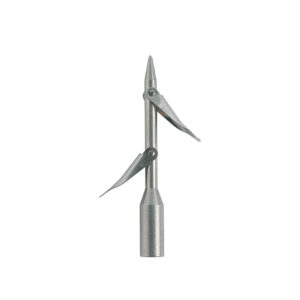
Abysstar Stainless Steel Tip with Offset Fins
The Abysstar Stainless Steel Tip with Offset Fins features a slim stainless steel design with two offset fins to improve precision and reduce water resistance. This harpoon tip offers excellent penetration and holding power, making it ideal for spearfishers targeting larger or fast-moving fish. Made from high-quality stainless steel, it ensures durability and corrosion resistance in harsh marine environments. Compatible with both pneumatic and band spearguns, this versatile harpoon is a reliable choice for underwater hunting.
$ 9.95 -
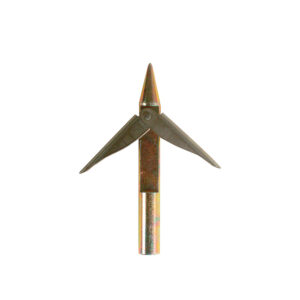
Abysstar Tip with 2 Petals
The Abysstar Tip with 2 Petals is a durable steel spear tip designed for enhanced holding power during spearfishing. Featuring a double flopper (2 petal) design, this tip improves fish retention and provides secure grip after penetration. Its robust construction ensures longevity and reliability in marine environments, making it a great upgrade for speargun shafts requiring efficient catch-holding tips.
$ 6.08Abysstar Tip with 2 Petals
$ 6.08 -
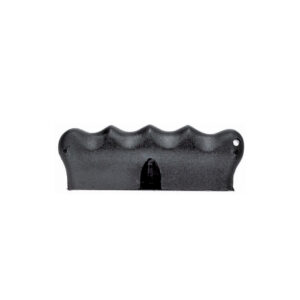
Abysstar Universal Speargun Loader
Abysstar universal harpoon loader.
$ 4.10 -

Abysstar Wishbone with Nylon Bushings
The Abysstar Wishbone with Nylon Bushings is a durable speargun accessory designed to enhance elastic band attachment and improve the overall rigging performance. Made from stainless steel with nylon bushings, this wishbone reduces friction during band loading and shooting, extending the lifespan of the bands. Its ergonomic design ensures better power transfer and smooth operation, making it a preferred choice for spearfishers focused on reliability and ease of use.
$ 18.60 -
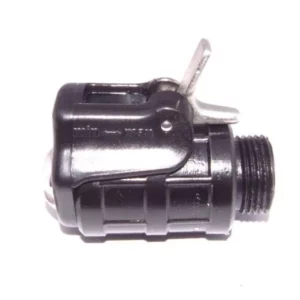
Adjustable Magnetic Linerelizor Pelengas – for Pneumatic Spearguns
Innovative magnetic linerelizor with adjustable release tension. Designed for specific pneumatic speargun brands: Pelengas, Cressi, Omer, Mares, Asso, Beuchat, Tigullio.
$ 16.38 -
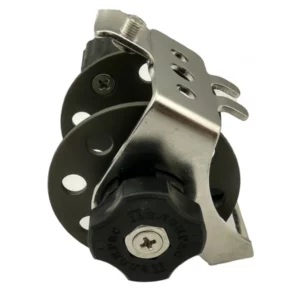
Aluminium Reel for Pelengas Spearguns
Lightweight and durable anodised aluminium reel with stainless steel bracket, compatible with all Pelengas spearguns. Available in 55 mm and 65 mm spool sizes.
$ 43.29 -

Big Universal Reel For Speargun Pelengas TROPHY (U-shaped bracket)
Lightweight spearfishing reel with U-shaped anodised bracket, advanced friction control, and 35–40 m line capacity.
$ 63.18 -
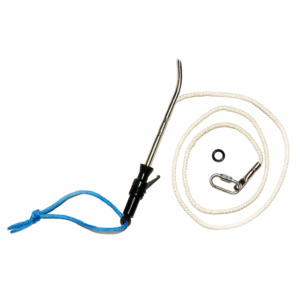
Fish Stringer Pelengas with Needle Receiver
Durable stainless steel fish stringer with a 210 mm spike, thick nylon cord, and a plastic needle receiver for fast, blind access.
$ 19.89 -
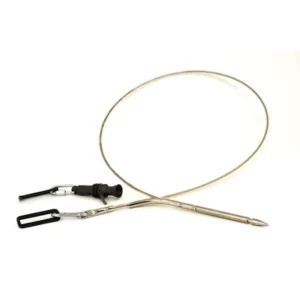
Fish Stringer Pelengas with Stainless Steel Cable
Safe and durable fish stringer with stainless steel cable and anti-tangle design for secure catch handling.
$ 26.91 -
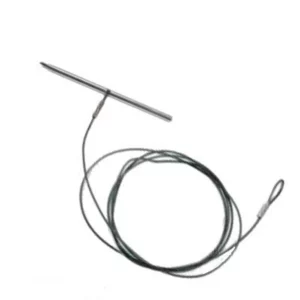
Fish Stringer Pelengas without Needle Receiver
Simple and durable stainless steel fish stringer without a needle receiver for streamlined spearfishing setups.
$ 10.53 -
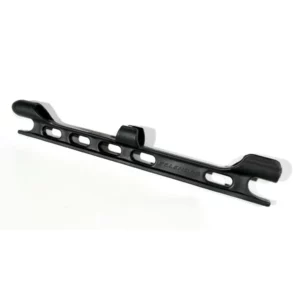
Holder For Safe Harpoon Transport Universal
Universal plastic holder for safe harpoon transport and compact line storage.
$ 11.12 -
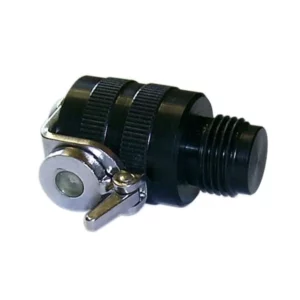
Magnetic Linerelizor Pelengas – for Pneumatic Spearguns
Fixed-magnet linerelizor mounted at the rear of the receiver for optimal line placement. Available for Pelengas, Cressi, Omer, Mares, Asso, Beuchat, and Tigullio spearguns.
$ 14.04 -
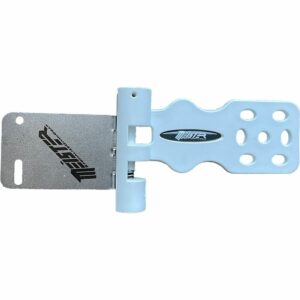
Meister Camera Mount
The Meister Camera Mount is a universal metal accessory designed to attach an action camera securely between your speargun’s body and the reel. Featuring multiple mounting holes, it is compatible with nearly any speargun on the market, ensuring flexible installation and stable footage for underwater filming.
$ 29.25Meister Camera Mount
$ 29.25 -
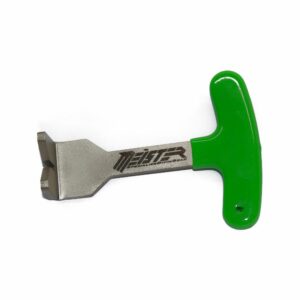
Meister Large Speargun Shaft Extractor
The Meister Large Speargun Shaft Extractor is a durable, handheld tool designed for safely and efficiently extracting speargun shafts, especially from rubber-powered spearguns. Made to provide a firm grip on the shaft tang, this extractor allows divers to apply torque and traction, facilitating the removal of the spear without damage to the equipment. Its compact size and sturdy construction make it an essential accessory for spearfishers needing quick and secure shaft retrieval underwater.
$ 23.40 -

Meister Open Type PVC Speargun Bag
The Meister Open Type PVC Speargun Bag is a durable transport bag for spearguns, crafted from marine-grade PVC with a full-length waterproof zipper. Designed for convenience, it features a sturdy fixed shoulder strap for easy carrying. Measuring 1.5 meters in length, it accommodates a range of speargun sizes while protecting your gear from harsh aquatic environments.
$ 57.33 -
Meister Small Speargun Shaft Extractor
The Meister Small Speargun Shaft Extractor is a durable, handheld tool designed for safely and efficiently extracting speargun shafts, especially from rubber-powered spearguns. Made to provide a firm grip on the shaft tang, this extractor allows divers to apply torque and traction, facilitating the removal of the spear without damage to the equipment. Its compact size and sturdy construction make it an essential accessory for spearfishers needing quick and secure shaft retrieval underwater.
$ 17.55 -
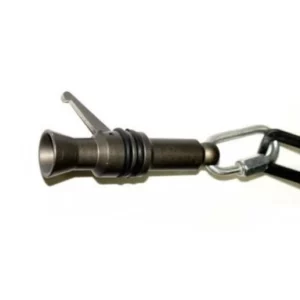
Needle Receiver for Fish Stringers Pelengas
Durable needle receiver for use with Pelengas-style fish stringers.
$ 10.53 -
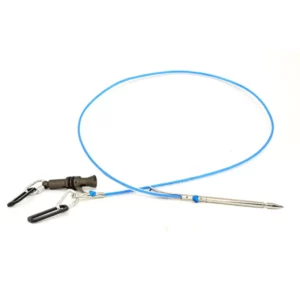
Nylon Fish Stringer Pelengas
Durable spearfishing stringer with stainless steel spike and replaceable PVC-reinforced nylon cord.
$ 26.91Nylon Fish Stringer Pelengas
$ 26.91 -

Nylon Fish Stringer Pelengas – 10 pcs
Bulk pack of 10 nylon fish stringers with stainless steel spike and 1-meter braided cord – ideal for resellers and dive shops.
$ 162.63 -

Nylon Fish Stringer Pelengas With Adjusting Clip
Upgraded stringer system made of stainless steel and anodised aluminium with an anti-tangle, secure locking mechanism.
$ 35.10 -
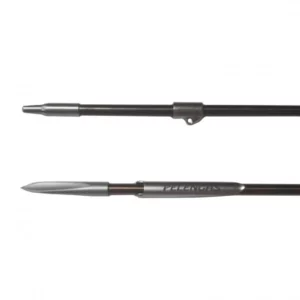
Pelengas “Magnum” Set – Hardened Speargun Shaft (7 mm, 500 mm / 700 mm)
Top-tier 7 mm hardened Sandvik steel shaft with mounted flopper, hydrodynamic Pelengas sliding sleeve, and thread-ready tip. Available in 500 mm and 700 mm lengths.
$ 42.12 -

Pelengas “Tahiti” Set – Hardened Tahititian-Style Shaft 7 mm (500 mm / 700 mm)
Hardened Tahitian-style 7 mm shaft with titanium nitride coating and sliding sleeve. Available in 500 mm and 700 mm lengths. Universal fit for pneumatic spearguns.
$ 36.27 -
Pelengas “Tahiti” Set – Sandvik Shaft (7.5 mm, 500 mm / 700 mm)
Hardened Sandvik steel 7.5 mm Tahiti-style shaft with titanium sliding sleeve. Length: 700 mm.
$ 45.63 -
Pelengas “Tahiti” Set – Sandvik Shaft (7mm, 1000mm)
High-strength 7 mm Tahiti-style shaft made from Sandvik hardened steel. Length: 1000 mm. Ideal for precision spearfishing.
$ 57.33 -
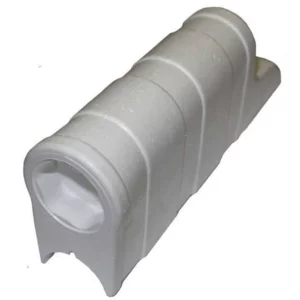
Pelengas Buoyancy Float for Mares Cyrano for CREE XML, MJ810, MJ810E
High-performance float and flashlight mount designed to balance Mares Cyrano spearguns with attached lighting systems.
$ 2.34 -
Pelengas Buoyancy Float with Flashlight Mount for CREE XML, MJ810, MJ810E
Universal flashlight float mount designed for Pelengas pneumatic spearguns, compatible with popular CREE XML, MJ810, MJ810E flashlight models.
$ 2.34 -

Pelengas Camera Mount (GoPro, iSaw, etc.)
Universal camera mount for underwater spearguns – ideal for GoPro, Isaw, and similar action cameras.
$ 26.91 -
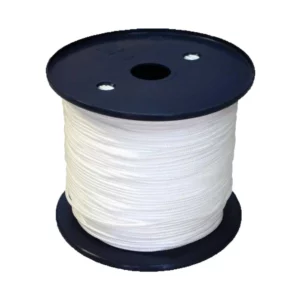
Pelengas Dyneema Line 1.6 mm
Floating Dyneema spearfishing line with 160 kg breaking load. Ideal for buoys, reels, shafts, and rubber bands.
$ 0.70Pelengas Dyneema Line 1.6 mm
$ 0.70 -
Pelengas Dyneema Line 2.0 mm
Floating ultra-strong Dyneema spearfishing line with 350 kg breaking strength. Ideal for heavy-duty underwater setups.
$ 0.88Pelengas Dyneema Line 2.0 mm
$ 0.88 -
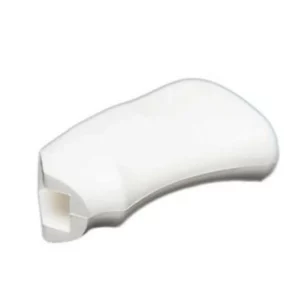
Pelengas Float Handle for Cressi Speargun
Buoyancy compensator in the form of a handle for Cressi spearguns. Enhances overall balance and underwater hunting comfort.
$ 1.99 -
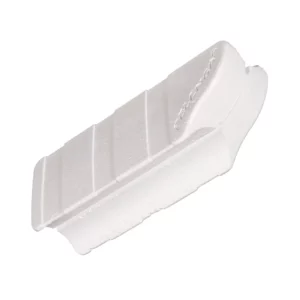
Pelengas Float Mount for Dive Light – 32 mm Barrel
Buoyancy-compensating flashlight mount made of closed-cell foam for 32 mm speargun barrels.
$ 6.44 -
Pelengas Float Mount for Dive Lights (Ferei 155, Hunterprolight, etc.)
Foam float-mount for attaching heavy cylindrical dive lights (Ø40–50 mm) to speargun barrels.
$ 10.06 -
Pelengas Float Mount for Ferei Flashlights
Universal float mount for Ferei dive lights – enhances buoyancy and stabilizes underwater setup.
$ 10.06 -
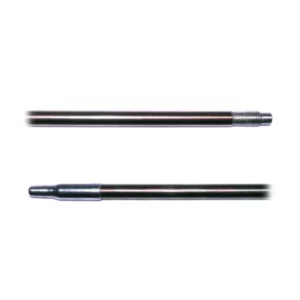
Pelengas Hardened Shaft – Sandvik Steel 7 mm (450 mm / 500 mm / 700 mm / 1000 mm)
High-strength 7 mm spearfishing shafts made from hardened Sandvik steel. Available in 450, 500, 700 and 1000 mm. Compatible with Pelengas and most 7 mm spearguns.
$ 17.55 -
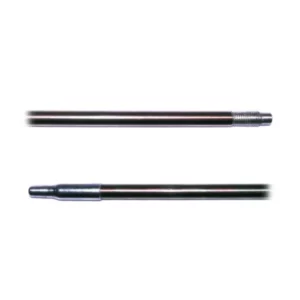
Pelengas Hardened Shaft – Sandvik Steel 7.5 mm (500 / 700 mm)
Titanium-nitride-coated Sandvik steel shaft with removable tip. Built for imported pneumatic spearguns using 7.5 mm diameter shafts. Available in 500 mm and 700 mm.
$ 25.74 -
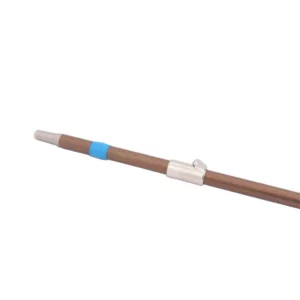
Pelengas Hardened Shaft – Sandvik Steel with Polyurethane Damper – 8 mm (400 / 500 / 700 mm)
Hardened 8 mm Sandvik steel shaft with D7 thread and polyurethane damper. Designed for Mares Sten, Jet, and other compatible spearguns. Runner not included.
$ 24.57 -
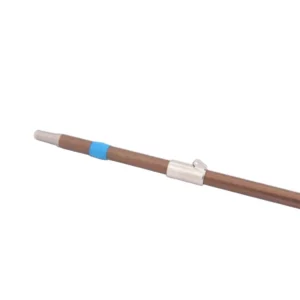
Pelengas Hardened Shaft with Polyurethane Damper – Kayuk 7 mm (500 / 700 mm)
Hardened 7 mm spear shaft with standard thread and branded Kayuk tail. Equipped with a polyurethane stopper to prevent runner jamming. Available in 500 mm and 700 mm lengths.
$ 18.72 -

Pelengas Magnum NEW Piston for 12 mm Speargun Barrel
Updated Magnum piston by Pelengas for spearguns with 12 mm barrel diameter. Not compatible with Z-linka models.
$ 16.38 -

Pelengas Master Profi Tool for Pelengas Spearguns
Professional branded tool for disassembling Pelengas spearguns.
$ 17.55 -
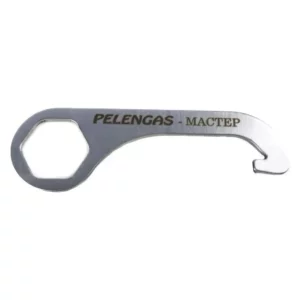
Pelengas Master Wrench for Z-Linka Spearguns
Specialised tool for disassembling Pelengas Z-linka spearguns.
$ 14.04 -

Pelengas Multi-Use Float Ball
Universal buoyancy ball for securing weight vests, keys, or waterproofed devices.
-
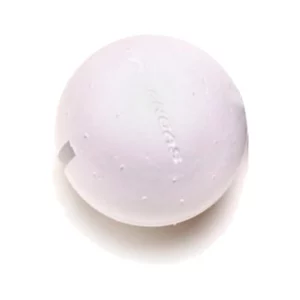
Pelengas Multi-Use Float Ball
Universal buoyancy ball for securing weight vests, keys, or waterproofed devices.
$ 2.34 -
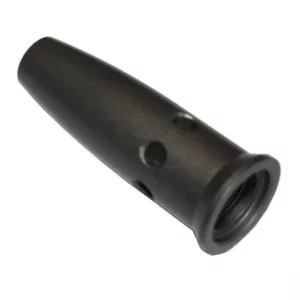
Pelengas Muzzle with Water Release Holes
Non-vacuum muzzle for Pelengas spearguns with integrated water release holes.
$ 17.55 -
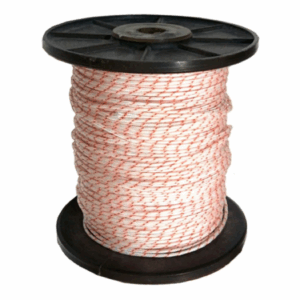
Pelengas Nylon Line 1.6 mm
Strong 1.6 mm nylon line with 90 kg breaking strength and internal core. Ideal for spearguns and reels.
$ 0.70Pelengas Nylon Line 1.6 mm
$ 0.70 -
Pelengas Nylon Line 2.0 mm
Durable 2.0 mm nylon line with a 120 kg breaking strength and core. Ideal for reels and spearguns.
$ 0.94Pelengas Nylon Line 2.0 mm
$ 0.94 -

Pelengas Pneumatic Speargun Oil
Reliable oil for maintaining all Pelengas and compatible pneumatic spearguns.
$ 19.89Pelengas Pneumatic Speargun Oil
$ 19.89 -
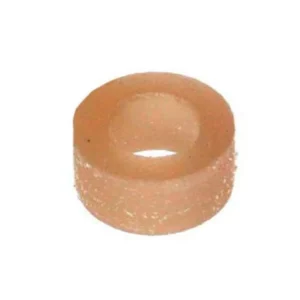
Pelengas Polyurethane Damper for Mares Cyrano, Spark Mimetic, Akula (2 pcs)
Durable dampers for Mares Cyrano, Spark Mimetic, and Akula spearguns.
$ 17.55 -
Pelengas Polyurethane Damper for Mares, Omer, Cressi (2 pcs)
Universal polyurethane dampers for popular speargun models.
$ 17.55 -
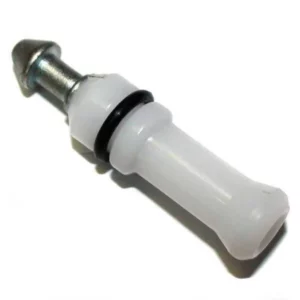
Pelengas Polyurethane Piston (13 mm Barrel, Mares Jet, Omer, Beuchat, Tigullio / Cressi, Asso)
Durable polyurethane piston for 13 mm spearguns by Pelengas. Compatible with Mares Jet, Omer, Beuchat, and Tigullio OR Cressi, Asso models.
$ 7.96 -
Pelengas Polyurethane Piston Ø11 mm (Mares Cyrano, Spark Mimetic, Akula)
Durable piston for 11 mm barrels of Mares-type spearguns.
$ 11.70 -

Pelengas Pressure Gauge for Pneumatic Spearguns
Simple and accurate pressure gauge for all Pelengas pneumatic spearguns.
$ 45.63 -
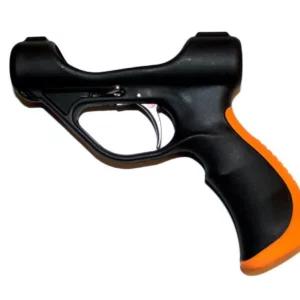
Pelengas Replacement Speargun Handle
Spare handle with pre-installed metal trigger and side line release.
$ 40.95 -
Pelengas Shaft with Hardened Tail & Polyurethane Damper – 8 mm (400 / 500 / 700 mm) – Cressi, Asso, Seac Sub
High-durability 8 mm stainless steel shaft with titanium nitride coating and hardened tail, equipped with a polyurethane damper. Compatible with Cressi, Asso, and Seac Sub spearguns.
$ 12.87 -
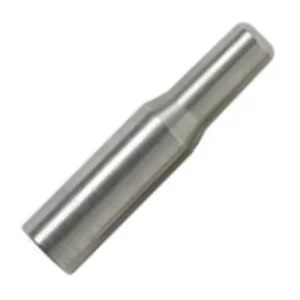
Pelengas Shank for Omer, Mares, Cressi Harpoons
Shank for secure and reliable harpoon mounting on Omer, Mares, and Cressi spearguns.
$ 10.41 -
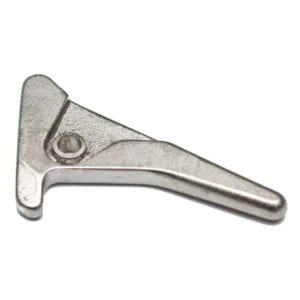
Pelengas Side Stainless Steel Linerelizor
Durable side-mounted stainless steel linerelizor for Pelengas spearguns.
$ 14.98 -

Pelengas Speargun Bag for 50, 55, and 60 cm Models
Updated Oxford fabric case for storing and transporting Pelengas spearguns (50, 55, 60 cm).
$ 54.99 -
Pelengas Speargun Bag for 70 and 75 cm Models
Durable and functional carrying case for Pelengas 70–75 cm spearguns.
$ 64.35 -
Pelengas Speargun Piston (12 mm)
Universal 12 mm piston for all Pelengas spearguns.
$ 13.81Pelengas Speargun Piston (12 mm)
$ 13.81 -
Pelengas Speargun Pump
Universal pump for all Pelengas pneumatic spearguns.
$ 19.89Pelengas Speargun Pump
$ 19.89 -

Pelengas Stainless Steel Shaft – 7 mm (450 / 500 / 700 mm)
Universal stainless steel shaft with interchangeable tip, compatible with all spearguns using 7 mm shafts. Suitable for Pelengas, Mares Cyrano, Sten, Spark, and others.
$ 10.53 -
Pelengas Stainless Steel Shaft with Hardened Tail – 8 mm (400 / 500 / 700 mm) for Mares, Omer, Beuchat, Tigullio
Titanium nitride-coated 8 mm stainless steel shaft with hardened tail and a polyurethane damper. Built for Mares, Omer, Beuchat, Tigullio spearguns.
$ 12.87
