

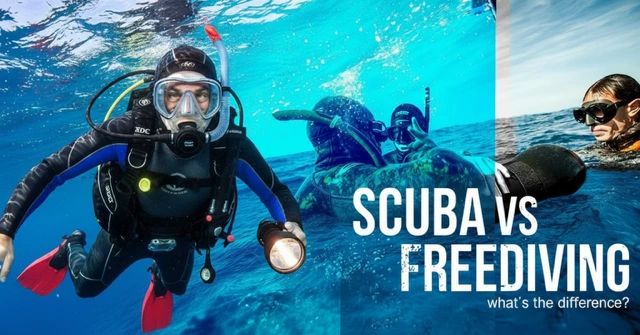
Scuba Diving Vs. Freediving Equipment: What Is Different, What Is Similar, And What To Choose
Scuba diving and freediving open the door to the same underwater world, but the way you get there—and the equipment you use—are very different. While scuba relies on a full life-support system to let you breathe underwater, freediving is all about efficiency, streamlining, and working with your breath-hold. Understanding how the gear differs, what overlaps, and what can do both will help you choose the right setup for your style of diving.
At a glance, many pieces of scuba and freediving gear look similar: masks, fins, wetsuits, weights. But each discipline has its own design priorities. Freediving equipment focuses on low drag, low volume, and maximum propulsion with minimal effort. Scuba gear is optimized for safety, comfort, and control over longer, tank-supported dives, often with more robust construction and added features.
Core Equipment Differences Between Scuba And Freediving
The biggest difference is that scuba diving requires a full breathing system—tank, regulator, BCD, and gauges—while freediving relies only on your lungs. A scuba setup typically includes a buoyancy control device (BCD), primary and octopus regulators, pressure and depth gauges or a dive computer, plus weights and exposure protection. Freediving strips that down to the essentials: a low-volume mask, long-bladed fins, streamlined wetsuit, weight belt, and often a simple snorkel.
Because you are breathing from a tank in scuba, the gear is built around stability, redundancy, and comfort over time. In freediving, every extra gram and every bit of drag costs you oxygen and depth, so gear is lighter, softer, and more hydrodynamic. This is why most equipment does not swap perfectly between disciplines—what works brilliantly in one is often a compromise in the other.
Wetsuits: Scuba vs. Freediving
Scuba Wetsuits
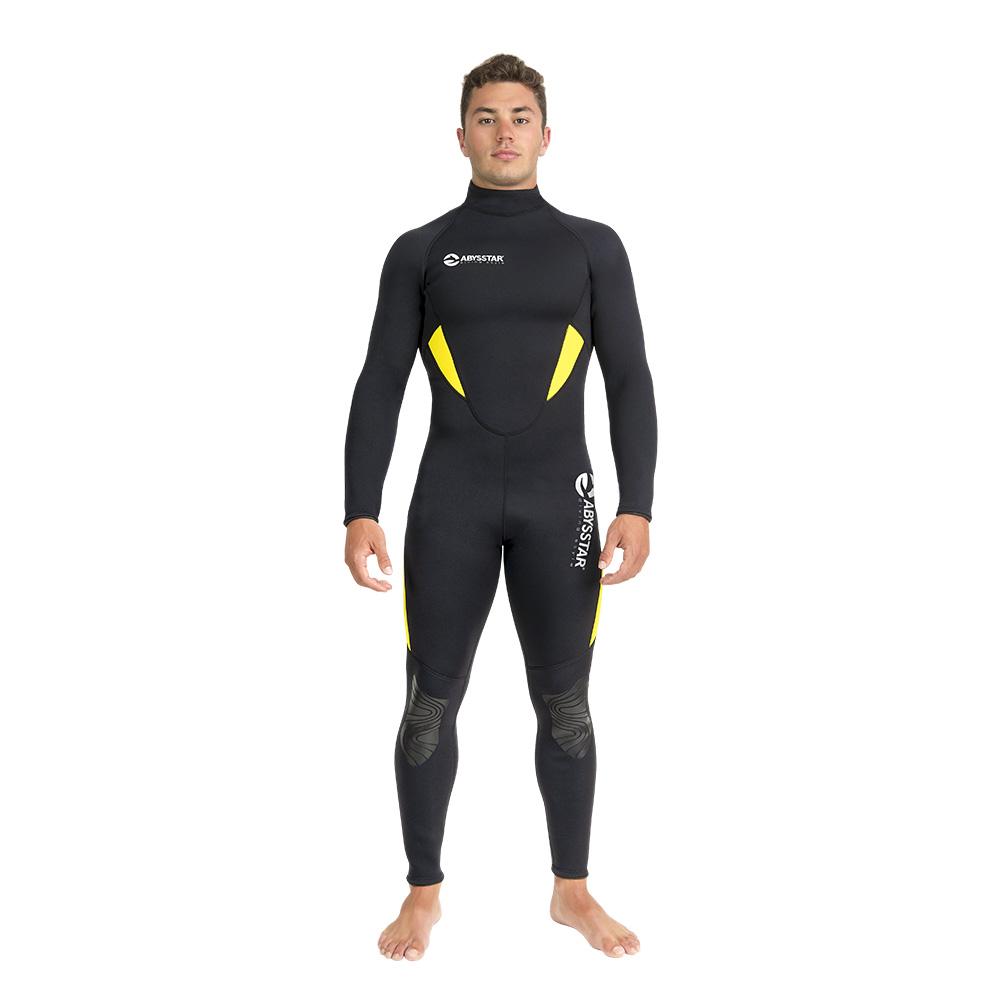
Scuba wetsuits are usually thicker, more durable, and often feature zippers and reinforced panels for easier donning, buoyancy, and protection during longer, multi-dive days. They prioritize insulation and toughness over extreme flexibility.
Explore all scuba diving wetsuits designed for comfort and reliability on tank-supported dives.
Freediving Wetsuits

Freediving wetsuits are typically two-piece, open-cell, and zipperless with attached hoods, delivering a second-skin feel, excellent thermal efficiency, and minimal drag for deep, hydrodynamic descents.
Browse performance-focused freediving wetsuits engineered for flexibility, warmth, and efficient finning.
Both scuba and freediving wetsuits come in multiple thicknesses for different water temperatures, but freediving suits compress more and are tuned to stay warm while still allowing powerful, streamlined kicks. A freediving suit can be used on scuba in some cases, but frequent long dives will wear it out faster. Conversely, a stiff scuba suit can make deep freediving inefficient and tiring, even if it feels warm on the surface.
Masks: Low-Volume vs. Comfort
Freediving Mask
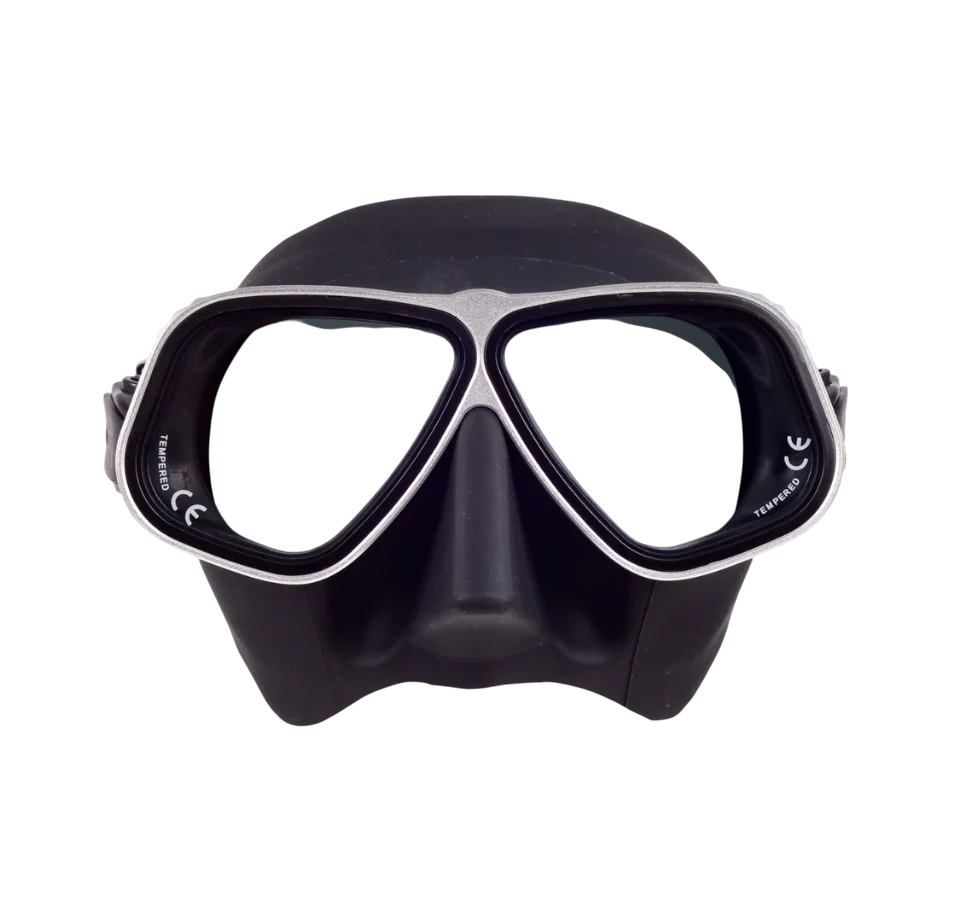
Freediving masks are compact, low-volume, and hydrodynamic, reducing the amount of air needed for equalization and cutting drag on descent. This makes it easier to reach depth without wasting precious oxygen.
Discover the ergonomic freediving mask designed to sit close to the face, providing excellent seal and efficient equalization.
Scuba Diving Mask
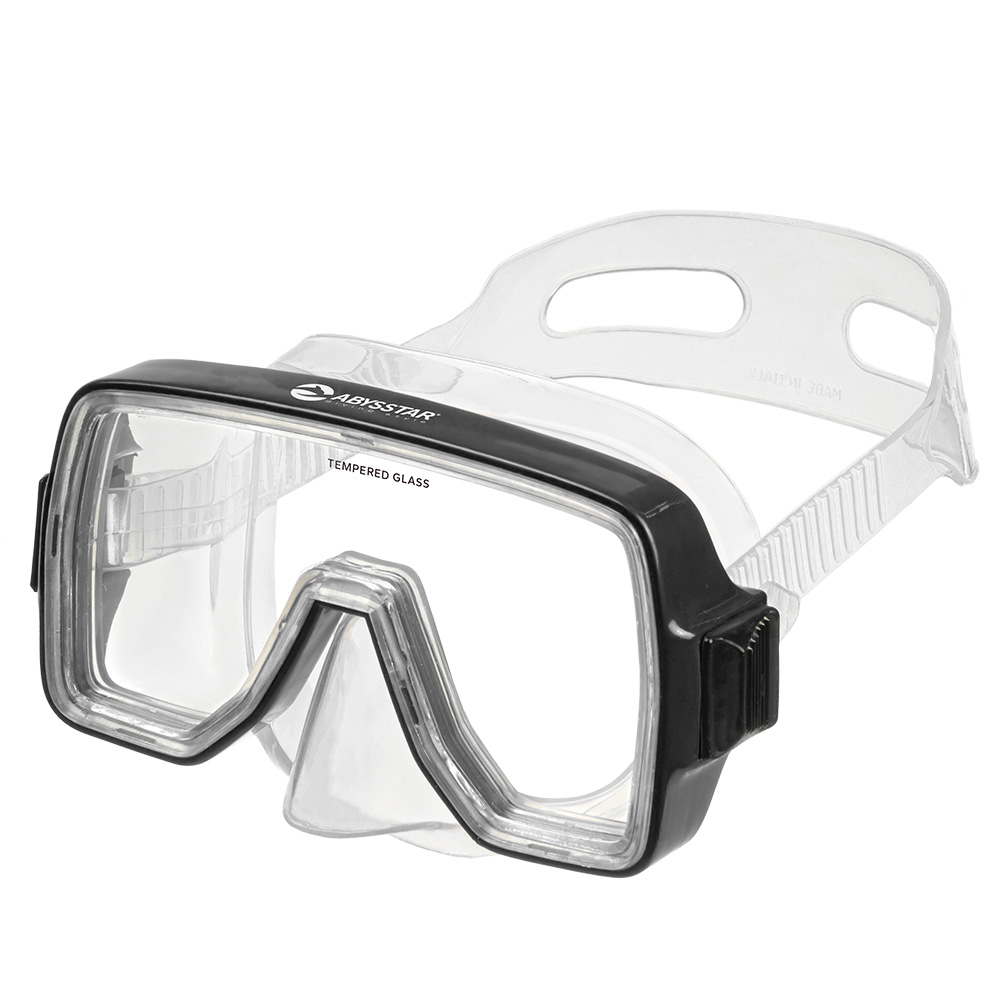
Scuba masks tend to have a larger internal volume, wider viewing angles, and more robust frames and lenses, delivering long-term comfort and durability across multiple, extended dives.
Check out the Abysstar Ulisse black mask for clear vision and a secure fit tailored to classic scuba conditions.
Technically, you can swap masks between scuba and freediving, but it is rarely ideal. A bulky scuba mask will increase drag and air use while breath-hold diving, and a tiny freediving mask may feel tight and less comfortable after an hour-long scuba session. For most divers, using a mask designed specifically for each discipline offers the best balance of comfort and performance.
Fins: Power, Control, And Efficiency
Scuba Fins
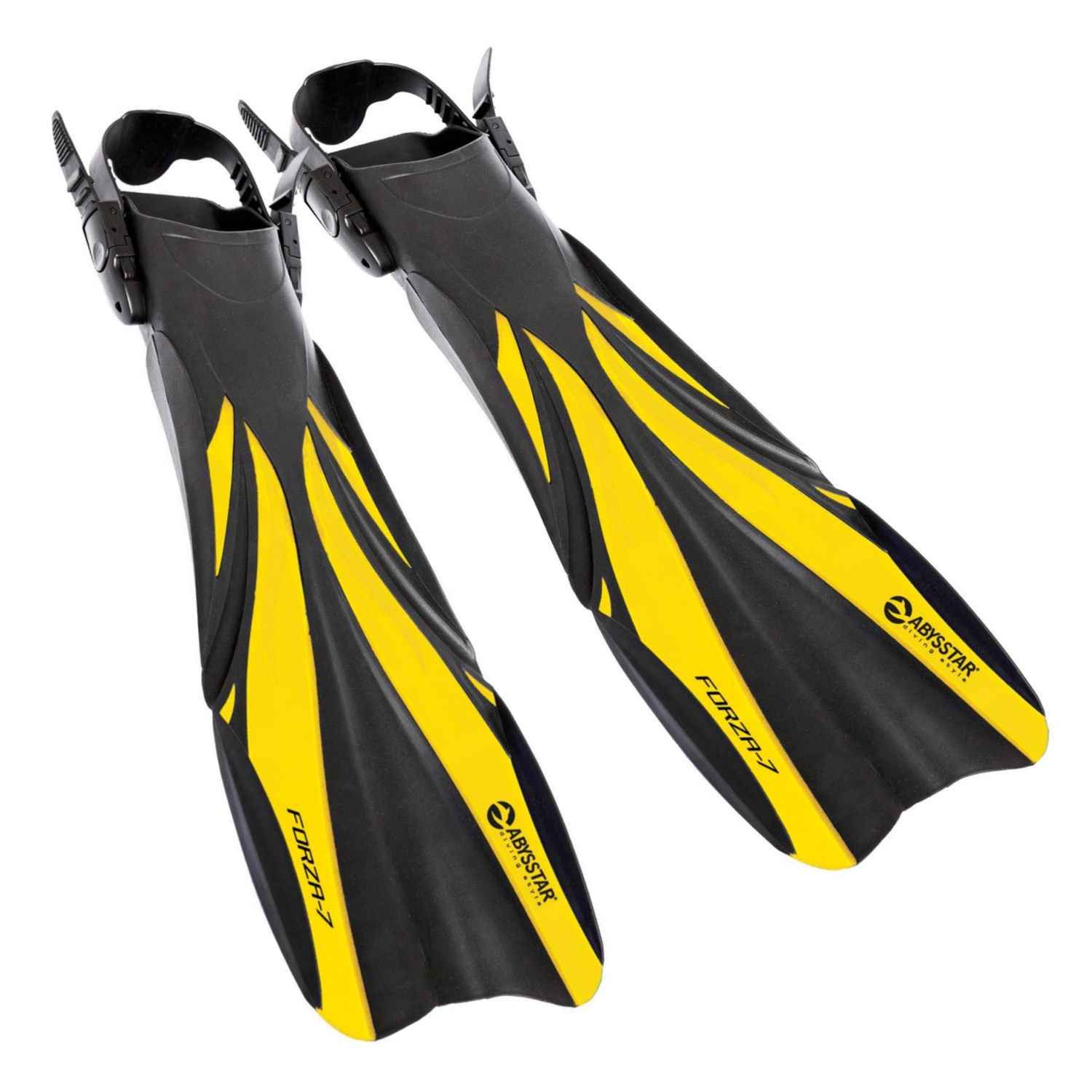
Scuba fins are generally shorter and stiffer, often paired with open-heel foot pockets and boots for protection and stability. They are built for maneuverability, control in currents, and precise movement around reefs or wrecks.
Browse all scuba fins options to match your kicking style, exposure setup, and typical dive conditions.
Freediving Fins
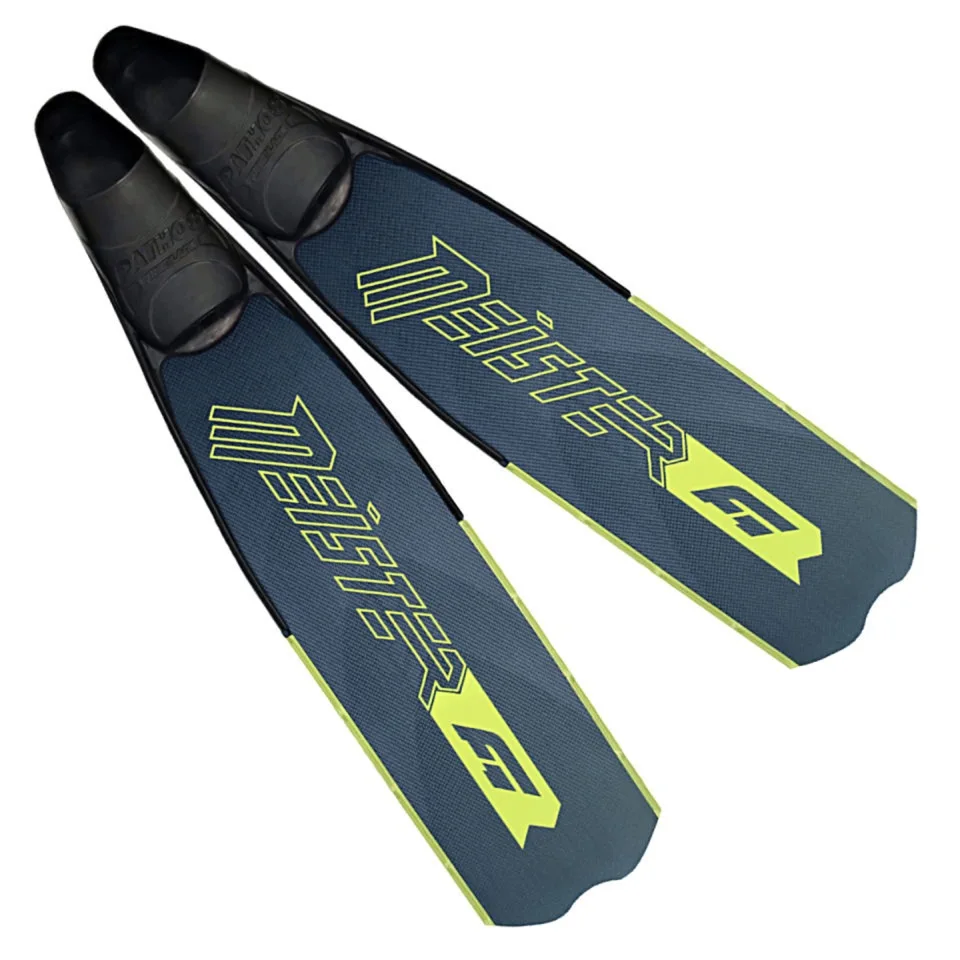
Freediving fins are much longer, and blades are softer and more responsive to convert each kick into maximum glide with minimum effort, conserving oxygen during deep or repetitive dives.
Find high-efficiency freediving fins in plastic, fiberglass, or carbon to suit your depth goals and experience.
While you can technically scuba dive in long freediving fins or freedive in short scuba fins, each is tuned for different mechanics. Long blades excel in straight-line descents and ascents with a relaxed, efficient kick cycle. Shorter scuba fins give finer control near the bottom and are easier to handle around boats, buddies, and complex environments.
Shared Gear And What Can Do Both
Some equipment does overlap nicely between scuba and freediving. Lead weights are universal and can be used on both rubber freediving belts and scuba-style belts or integrated BCD pockets. Modern dive computers often include both scuba and freediving modes, so a single device can track depth, time, surface intervals, ascent rate, and, in scuba mode, decompression limits and gas mixes.
Snorkels, knives, and basic accessories also cross over, although freediving snorkels are usually simpler and more flexible, with fewer purge valves or rigid components. Boots and socks differ more: scuba divers often use thick-soled boots with open-heel fins, while freedivers prefer thin neoprene socks and full-foot fins for a snug, hydrodynamic fit.
How To Choose: Scuba Gear, Freediving Gear, Or Both?
Choose a full scuba setup if your priority is longer bottom times, exploring reefs and wrecks at a relaxed pace, and enjoying stable buoyancy with plenty of safety redundancy. This path is ideal if you like extended photography sessions, slow observation of marine life, and structured, guided dives with more equipment support.
Opt for a dedicated freediving configuration if you are drawn to minimalism, silence, and the meditative challenge of breath-hold. The streamlined mask, long fins, and open-cell wetsuit help you move like a fish through the water, turning every kick into depth and every dive into a focused, body-aware experience.
Many divers eventually blend both worlds: using specialized wetsuits, masks, and fins for each discipline while sharing multi-mode dive computers, weights, and some accessories.