

Polespear Basics — Everything You Need to Know Before You Buy
Polespears are one of the best ways to get into spearfishing. They are simpler to learn than a speargun, quieter in the water, and very effective for a wide range of species and environments. But with so many materials, lengths, and tip configurations on the market, picking the right setup can feel overwhelming. This guide breaks down every decision point — from shaft material and tip type to length selection — so you can choose the right polespear with confidence.
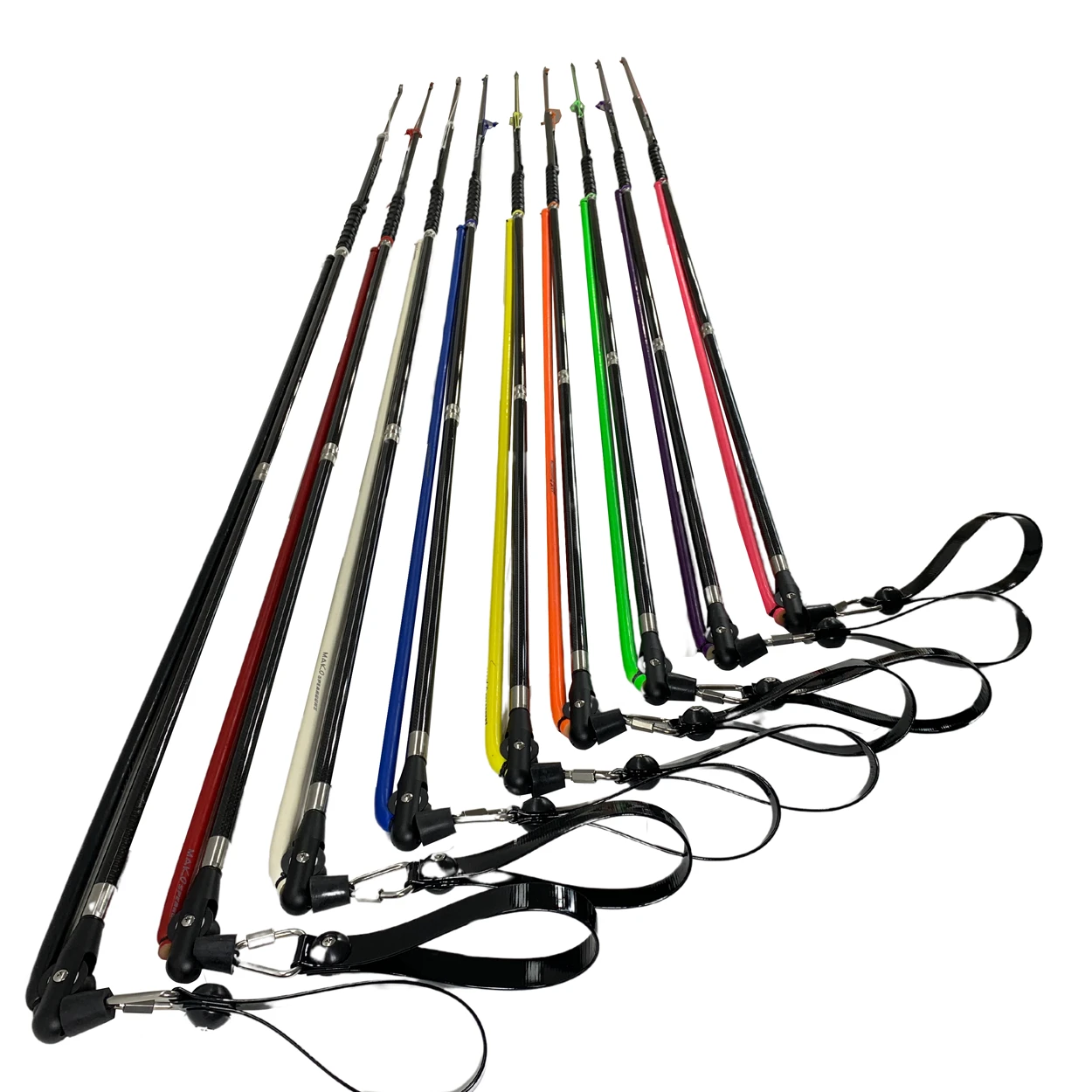
Every polespear has three parts — band, shaft, and tip.
You loop your hand into the band, stretch it up the shaft to load tension, and release when you are ready to fire. That is the entire mechanism — which is exactly why polespears are so reliable and easy to master.
Shaft Materials — What the Differences Actually Mean
The material of the shaft determines weight, stiffness, durability, and price. Each has real trade-offs — there is no single best option for everyone.
Fiberglass
The most affordable option — ideal for beginners on a budget. The main downside is flex: a fiberglass shaft bends noticeably when loaded, which reduces accuracy. It can also splinter over time, so always wear gloves. Wrapping the band around the shaft as you load it helps minimise the bow and improves shot consistency.
Best for: First-time buyers, shallow reef, calm conditions
Aluminum
The most common material you will find polespears made from. Aluminum is significantly more durable than fiberglass with no splintering, and it handles rough use well. It still has some flex and tends to be heavier — which means a slower shaft but more punch behind the shot. Weight varies a lot between brands, so check specs before buying.
Best for: Everyday use, medium fish, versatile conditions
Carbon Fibre
The premium option. Carbon fibre delivers the least flex of any material — the shaft stays almost perfectly straight when loaded — which translates directly into the most accurate shots. It is lighter than aluminum, and that combination of stiffness and low weight makes it the choice for serious hunters. The trade-off is price.
Best for: Experienced hunters, bigger fish, maximum accuracy
Graphite & Composite
Graphite shafts are typically very thin and extremely light, making them fast through the water. They are popular in places like Hawaii for targeting small, fast-moving reef fish with a three-prong tip. Composite constructions mix materials — for example, aluminum main sections with a graphite injector rod — to balance weight, stiffness, and cost in creative ways.
Best for: Fast small fish, specialist shallow-water hunting
One-Piece vs. Breakdown Polespears
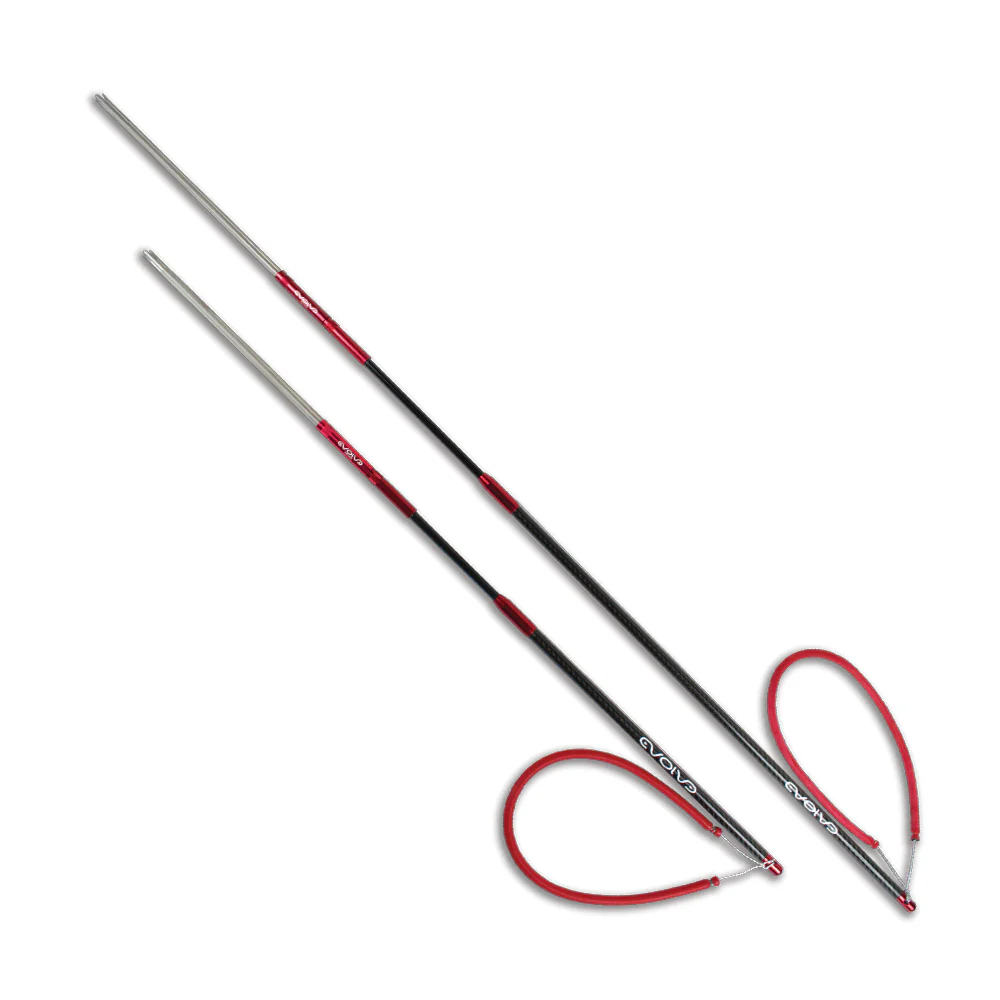
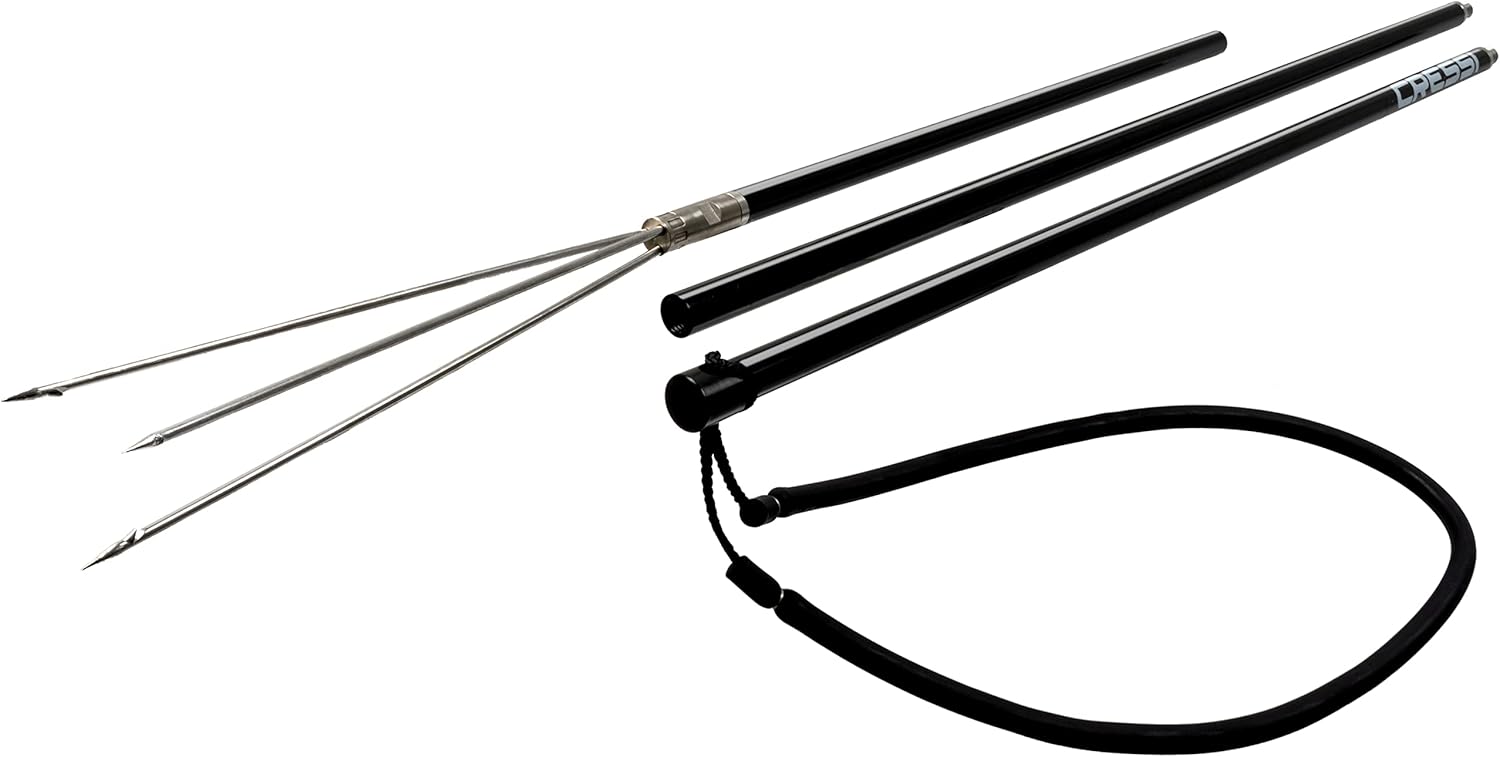
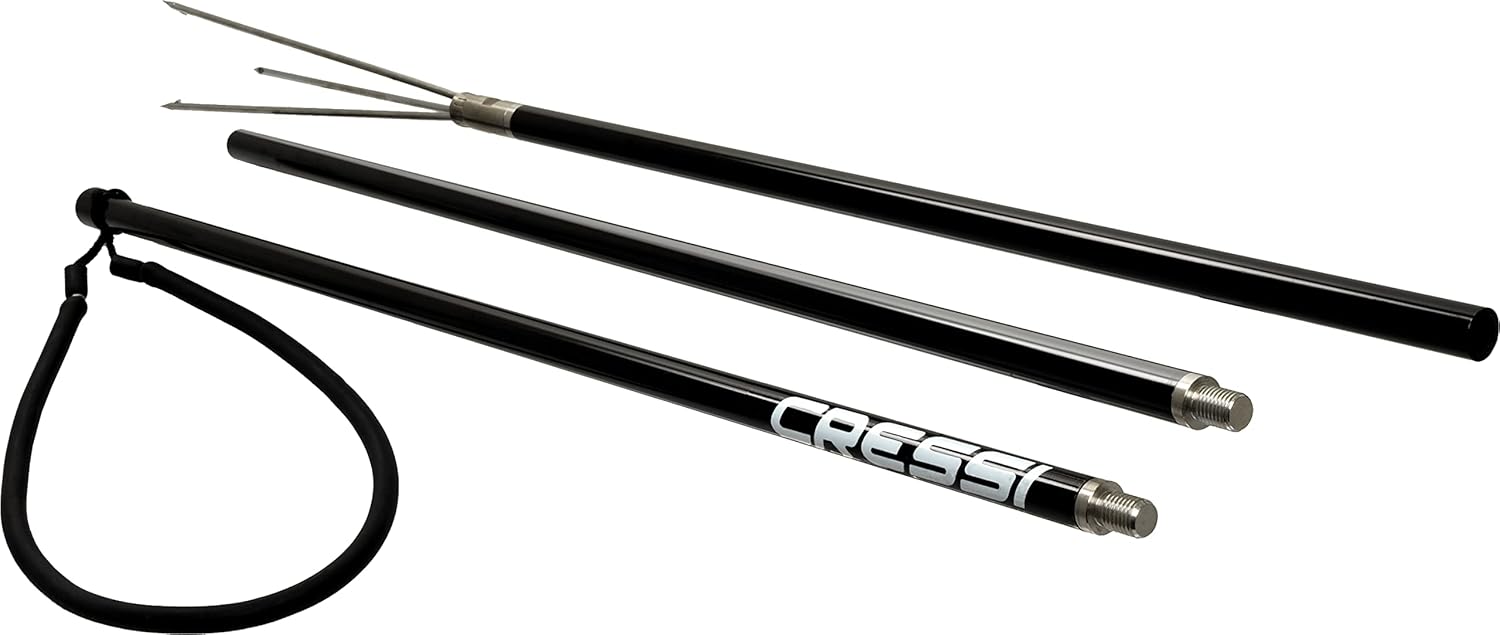
The other key decision is whether you want a one-piece or a travel/breakdown design.
Some brands sell individual breakdown sections separately, so you can start with a standard length and add or swap sections to extend or shorten as your hunting style evolves. This modular approach is worth considering if you plan to target different species in different environments.
Polespear Tips — The Most Important Decision for Target Species
The tip determines what species you can realistically hunt and how effective your shots will be. Getting this wrong is the most common beginner mistake — a five-prong tip on a large fish is just frustration.
3-Prong Tips
The most common tip type, included with most polespears out of the box. A 3-prong is effective on small to medium reef fish. Some have tight prong groupings for accuracy, others are wider for a larger spread. Barbs or paralysers on the prongs help keep fish on after the shot.
Target: Small to medium reef fish
4 & 5-Prong Tips
Five-prong tips are found on more entry-level polespears and are also popular for specific applications like lionfish hunting. The wider spread of prongs covers more area but is generally less effective on larger fish that can break free between tines. Four-prong tips sit between the two in terms of spread and holding power.
Target: Lionfish, very small fish, wide-spread scenarios
Flopper Tips
The same principle as the tip on a speargun shaft. You shoot through the fish and the flopper engages behind the flesh, preventing the fish from sliding back off the tip during a fight. Far better than prong tips for medium to large fish that will thrash and try to escape after being hit.
Target: Medium to large fish
Slip Tips
Designed for big game and pelagics. After the shot, the tip toggles and detaches from the shaft, held only by a spectra line or cable running through the fish. This creates a separate anchor point on the far side of the fish, making it almost impossible for a large, hard-fighting fish to pull free. The most secure option for serious big-game pole spearing.
Target: Large pelagics, big game fish
Choosing the Right Length
Length directly affects range, power, and how well the spear handles in different diving environments. The general rule is simple: longer means more reach and more power, shorter means more maneuverability in tight spaces.
Abysstar Trident Tips at Spearfisher Shop
While we do not sell complete polespear setups, we carry a full range of replacement and upgrade trident tips from Abysstar — 3-prong, 4-prong, and 5-prong in lightweight, tempered, stainless steel, and hardened variants. If you already have a shaft and need to upgrade your tip, or need a replacement, this is where to start.
Abysstar
Lightweight Trident — 3 Prongs
A lightweight replacement or upgrade trident tip for small to medium reef fish. The standard 3-prong configuration — accurate, simple, and reliable for everyday spearfishing on the reef.
View ProductAbysstar
Hardened Stainless Steel Trident — 5 Prongs
Hardened stainless steel for maximum durability and corrosion resistance. Five-prong spread works well for lionfish, small species, and any situation where a wider catch zone is preferred over pinpoint penetration.
View ProductBrowse All Abysstar Trident Tips
3, 4, and 5 prong in lightweight, tempered, stainless, and hardened stainless steel.
Quick Decision Guide — Which Setup Is Right for You?
Just starting out
- Aluminum or fiberglass shaft
- One-piece or two-piece breakdown
- 150–180 cm length
- 3-prong tip to start
Targeting medium reef fish
- Aluminum or carbon fibre shaft
- Two-piece breakdown for travel
- 180–210 cm length
- 3-prong hardened or flopper tip
Small fast fish / lionfish
- Graphite or lightweight composite
- Shorter shaft — 80–150 cm
- 4 or 5-prong tip
- Tight prong grouping for accuracy
Big game & pelagics
- Carbon fibre shaft
- 270–300 cm length
- Slip tip for maximum hold
- Spectra line or cable setup
Not sure which tip fits your shaft thread?
Get in touch and we will make sure you get the right combination. Our team dives and spearfishes — we can match tip to shaft to species for your exact setup. Contact us here →